Flying to the Masai Mara, Amboseli, Samburu or another safari destination in Kenya is an exciting experience. However, packing for a safari flight is different from preparing for an ordinary international or domestic airline journey.
Small safari aircraft have limited cargo space and strict baggage requirements. This means the air kenya luggage restrictions you encounter when travelling with smaller regional airlines may be considerably different from the baggage rules of larger commercial carriers.
Airkenya and Safarilink operate flights to popular safari destinations across Kenya and East Africa. Their aircraft are designed to transport passengers efficiently between airstrips, national parks and remote destinations. Because of their size and operating conditions, passengers must pay close attention to luggage weight, dimensions and bag construction.
The most important preparation is to choose a lightweight, soft-sided travel bag and confirm your specific flight's baggage allowance before departure.
This guide explains the baggage rules for Airkenya and Safarilink, what types of luggage to carry, how to pack efficiently and how to avoid problems at the airport.
Important: Baggage allowances and restrictions can change. Confirm the current rules directly with your operating airline and safari operator before travelling. Do not assume that an allowance for one route or aircraft applies to every safari flight.
Airkenya Baggage Allowance and Luggage Restrictions
Airkenya operates regional and safari flights using smaller aircraft with limited luggage storage capacity. Its baggage policy therefore differs from the standard allowances offered by larger international airlines.
According to Airkenya's official baggage policy, the standard allowance is 15 kg per passenger, including hand luggage, and bags must be soft-sided.
The published requirements are as follows:
| Baggage requirement | Airkenya allowance |
|---|---|
| Total baggage weight | 15 kg per passenger |
| Checked luggage | Included in 15 kg total |
| Hand luggage | Maximum 5 kg, included in total |
| Checked bag guideline | 60 × 45 × 33 cm |
| Hand luggage dimensions | 53 × 30 × 23 cm |
| Bag construction | Soft-sided bags |
These figures apply to Airkenya services under its published policy.
AirKenya+1
Does Airkenya allow hard-shell suitcases?
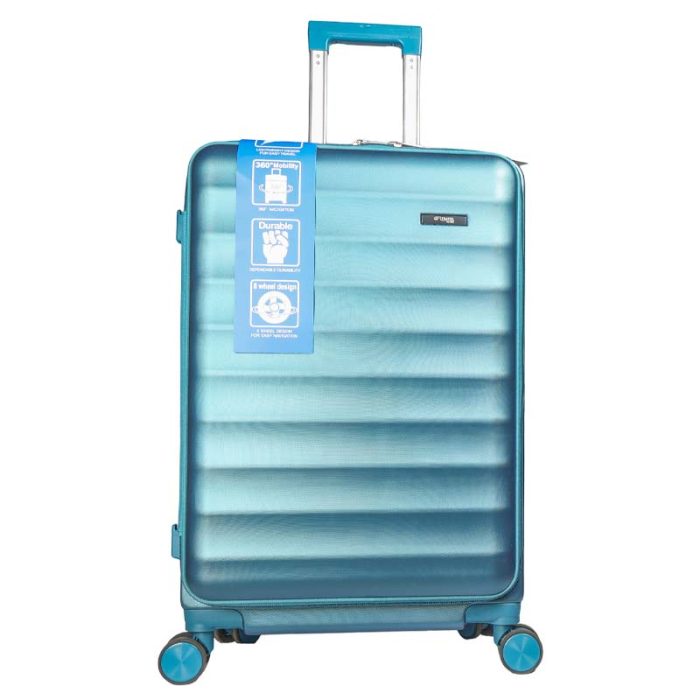
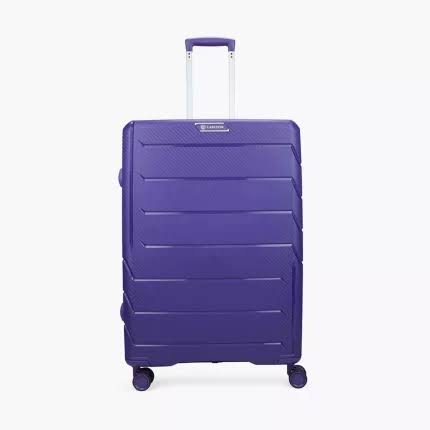
Airkenya specifies soft-sided bags in its baggage policy. Hard-shell suitcases are therefore not a suitable choice for passengers travelling on its safari services.
The reason is straightforward: smaller aircraft have limited cargo compartments, and rigid suitcases can be difficult to fit into irregularly shaped luggage spaces.
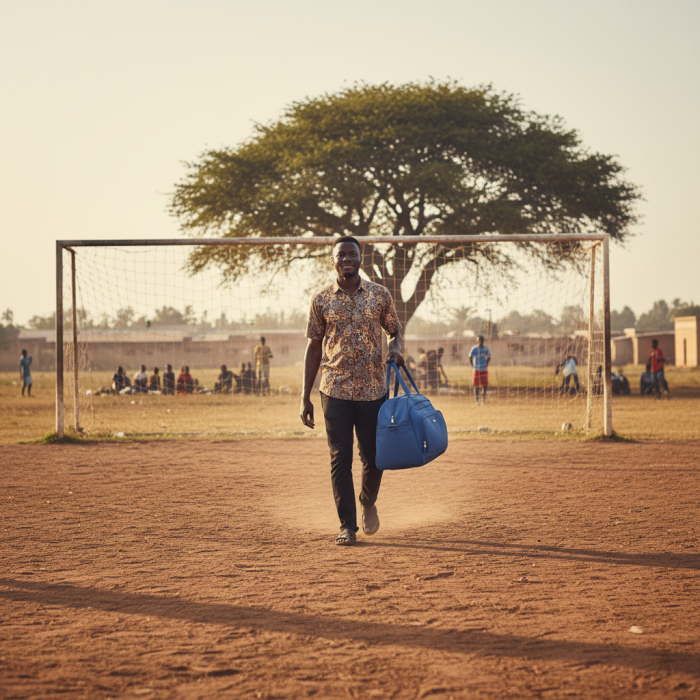
A soft duffel bag is a more practical choice because it can fit into available storage spaces more easily.
When shopping for safari luggage, prioritise:
Flexible fabric construction.
Lightweight materials.
Strong handles and shoulder straps.
Secure zips.
Compact dimensions.
A design that is easy to carry between aircraft and safari vehicles.
How much hand luggage can you carry on Airkenya?
Airkenya permits small personal items such as handbags, small backpacks, coats and umbrellas.
However, these items must not exceed 5 kg and count towards the total 15 kg baggage allowance.
For example, if your checked duffel weighs 12 kg and your hand luggage weighs 3 kg, your combined baggage weight is 15 kg.
Do not pack 15 kg in your checked bag and assume that you can add another 5 kg in the cabin.
What happens if your Airkenya luggage exceeds 15 kg?
Airkenya may accept excess baggage depending on aircraft capacity and the number of passengers travelling.
Its published baggage policy lists an excess baggage charge of USD 5 per kilogram on domestic and international routes. However, excess baggage carriage is not guaranteed.
The airline also provides advance excess baggage arrangements, including additional freight options, subject to availability and booking conditions.
For substantial extra luggage, contact Airkenya before departure rather than arriving at the airport expecting the airline to accommodate it.
AirKenya+1
Official information: Airkenya Baggage Policy.
Safarilink Baggage Allowance and Luggage Restrictions
Safarilink is another popular airline for travellers visiting Kenya's safari destinations and coastal locations.
Its baggage rules are designed around the limited cargo capacity of smaller aircraft. The standard allowance is 15 kg per passenger on most routes, including hand baggage.
However, some coastal and regional routes have a higher allowance of 20 kg.
Safarilink baggage allowance by destination
The airline publishes the following allowances:
| Destination or route | Total baggage allowance |
|---|---|
| Masai Mara | 15 kg |
| Amboseli | 15 kg |
| Samburu | 15 kg |
| Lewa | 15 kg |
| Nanyuki | 15 kg |
| Tsavo | 15 kg |
| Diani | 20 kg |
| Lamu | 20 kg |
| Malindi | 20 kg |
| Mombasa | 20 kg |
| Kisumu | 20 kg |
| Entebbe | 20 kg |
| Zanzibar | 20 kg |
The allowance includes hand luggage and must be packed in soft bags. Confirm your exact itinerary because route-specific conditions apply.
flysafarilink.com+1
Does Safarilink include hand luggage in the 15 kg allowance?
Yes. Safarilink's 15 kg allowance includes hand luggage.
This is an important detail because passengers sometimes assume that their cabin backpack is separate from their checked suitcase.
For example:
| Item | Weight |
|---|---|
| Soft duffel bag | 11 kg |
| Small backpack | 2 kg |
| Camera bag | 2 kg |
| Total | 15 kg |
This example illustrates how to distribute your belongings without exceeding the standard allowance.
If you are flying to Diani, Mombasa or another destination with a published 20 kg allowance, use the higher limit only after confirming that it applies to your particular booking.
Why does Safarilink require soft-sided luggage?
Safarilink explains that its aircraft have luggage compartments with limited volume and irregular shapes.
Large rigid suitcases can be difficult to store in these compartments. In some circumstances, luggage that cannot fit may have to travel on a later flight.
A flexible duffel bag makes it easier for ground staff to load luggage into the available storage space.
For a safari journey, choose a soft-sided bag that:
Can be compressed slightly without damaging its contents.
Has no bulky external frame.
Fits within the airline's published baggage dimensions.
Has strong stitching and reinforced handles.
Can be carried comfortably over short distances.
What happens if your Safarilink luggage exceeds the limit?
Safarilink states that excess baggage may be carried at the captain's discretion, depending on aircraft payload and available space.
Its published information also explains that check-in staff may allow a limited weight tolerance in some circumstances. This should not be treated as an additional guaranteed allowance.
If you already know you will be travelling with extra luggage, contact Safarilink about advance baggage purchases or a freight seat.
The airline recommends booking a freight seat for passengers who require confirmed carriage of substantial additional luggage, subject to its conditions.
flysafarilink.com+1
Official information: Safarilink Baggage Allowance.
Airkenya vs Safarilink: Which Airline Has Stricter Baggage Rules?
Both airlines have strict baggage policies because they operate aircraft with limited luggage capacity.
However, their allowances are not identical.
| Feature | Airkenya | Safarilink |
|---|---|---|
| Standard safari baggage | 15 kg | 15 kg |
| Coastal and regional exceptions | Check individual route | 20 kg on listed routes |
| Hand luggage included | Yes | Yes |
| Soft-sided bags | Required | Required |
| Standard excess charge | Published at USD 5/kg | Depends on route and booking |
| Excess baggage | Subject to capacity | Subject to capacity |
| Luggage storage | Available at Wilson Airport | Complimentary storage at Wilson Airport |
AirKenya+2
Which airline is better for travellers carrying more luggage?
Neither airline should be selected on the assumption that it will automatically accommodate heavier luggage.
Safarilink has a published 20 kg allowance on selected coastal and regional routes, while Airkenya's standard published allowance is 15 kg.
If your itinerary includes a safari flight, the most important consideration is the allowance for the actual aircraft and route you will be travelling on.
For travellers carrying photography equipment, specialist equipment or additional clothing, arranging extra baggage before departure is preferable to relying on space being available at check-in.
Best Bags for Airkenya and Safarilink Safari Flights
Choosing the right luggage is just as important as checking your weight allowance.
A suitcase that works perfectly on an international flight may be unsuitable for a small safari aircraft. For this reason, soft-sided duffel bags and compact travel backpacks are among the most practical options.
Canvas Explorer Duffle - Large
Safari Packing Checklist for Africa Travel
Classic Cabin Backpack 28L – CABINZERO
9
1. Soft-sided duffel bags
A soft-sided duffel is one of the best choices for safari flights.
It has a flexible body, making it easier to fit into small luggage compartments. Most duffel bags also have handles and shoulder straps that make them convenient to carry.
Look for a lightweight model with:
A spacious main compartment.
Strong zips.
Reinforced handles.
Water-resistant fabric.
A comfortable shoulder strap.
2. Lightweight travel backpacks
A travel backpack is useful for passengers who prefer carrying their luggage on their backs.
It is particularly convenient when moving between airport terminals, safari vehicles and accommodation.
Choose a backpack with enough space for clothing, toiletries, documents and personal essentials without adding unnecessary weight.
3. Soft-sided wheeled duffel bags
Some travellers prefer luggage with wheels because it is easier to move through airports.
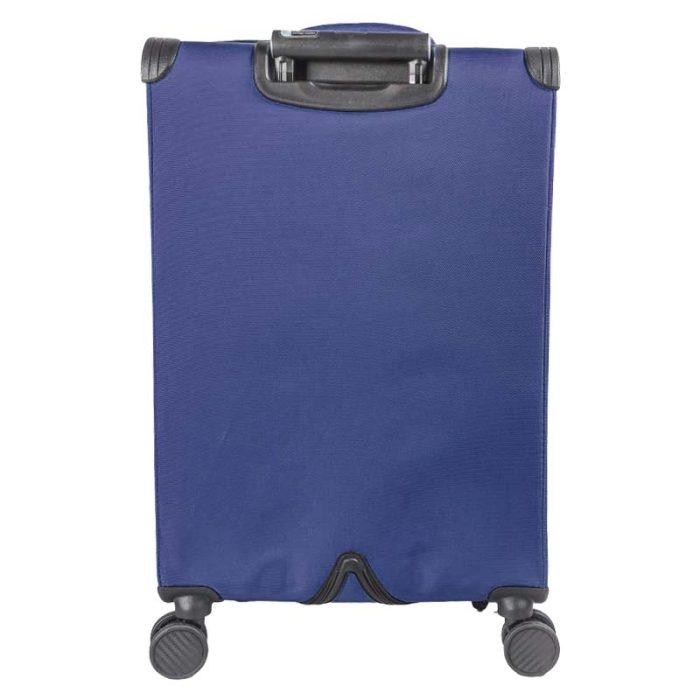
A soft-sided wheeled duffel can be an option, but check with your airline before purchasing or using one. Wheels and frames can make a bag less flexible and add unnecessary weight.
Do not assume that every wheeled duffel will be accepted simply because its outer material is soft.
4. Compact overnight bags
An overnight bag is suitable for short safari trips where you only need a few clothing changes and essential personal belongings.
It can also work as your main luggage if you are travelling for one or two nights and can pack within the airline's allowance.
Explore suitable travel bags and luggage options at The Trendy Suitcase.
How to Pack for a Safari Flight in Kenya
Packing for a safari flight requires a little more planning than packing for an ordinary holiday.
You need to consider the weather, activities, accommodation arrangements and luggage restrictions.
Here are practical ways to prepare.
Pack lightweight clothing
Safari destinations can have warm afternoons and cooler mornings and evenings.
Choose lightweight clothing that can be layered when temperatures change.
Useful items include:
Lightweight trousers.
Breathable T-shirts.
Long-sleeved shirts.
Comfortable walking shoes.
A lightweight jacket.
A hat or cap.
Comfortable sleepwear.
Avoid packing unnecessary outfits that increase the total weight of your bag.
Use packing cubes
Packing cubes help organise clothing and make better use of limited luggage space.
You can separate shirts, trousers, underwear and accessories into individual compartments.
Travel Duffel | Peak Design Official Site
peakdesign.com
They are particularly useful when moving between different safari camps because you can find what you need without unpacking everything.
Carry travel-sized toiletries
Full-sized toiletries can add unnecessary weight.
Consider packing travel-sized shampoo, body wash, toothpaste and skincare products.
Keep toiletries inside waterproof pouches to prevent spills from damaging clothing and electronic equipment.
Protect photography equipment
Photography equipment can be among the heaviest items on a safari trip.
If you are carrying a camera, lenses, batteries or binoculars, plan how to distribute the weight within your total allowance.
Use protective padded cases for delicate equipment and contact the airline if you need to carry a bulky camera case.
Do not assume that camera equipment is automatically excluded from your baggage allowance.
Keep important documents accessible
Keep your passport, identification, tickets, booking confirmations and other travel documents in an easily accessible personal bag.
It is also sensible to keep essential medication and valuable electronics with you rather than placing them in checked luggage.
Weigh your complete luggage before departure
A portable luggage scale can help you avoid unpleasant surprises at check-in.
Weigh the duffel bag, backpack and camera equipment together if the airline includes all these items in one allowance.
Remember that an empty suitcase also contributes to your permitted baggage weight.
What to Do With Excess Luggage Before a Safari Flight
Travellers sometimes arrive in Nairobi with large international suitcases before connecting to a safari destination.
Taking all that luggage on a small aircraft may not be possible.
Fortunately, there are practical alternatives.
Store unnecessary luggage in Nairobi
Both Airkenya and Safarilink publish information about complimentary luggage storage facilities at Wilson Airport.
This can be useful if you are returning to Nairobi after your safari and do not need all your belongings during the trip.
Confirm the storage arrangements, operating hours and collection procedure directly with the airline.
Arrange excess baggage in advance
If you genuinely need more luggage, contact the airline before your departure date.
Airkenya and Safarilink provide options for arranging additional baggage or freight, subject to their respective booking rules.
Advance arrangements are particularly important during busy safari seasons when aircraft may operate close to their available payload.
Leave unnecessary items at your hotel or lodge
Some Nairobi hotels and safari accommodation providers may offer luggage storage for returning guests.
Ask about this service before your trip and confirm any applicable conditions.
Use a separate freight arrangement
For large or heavy equipment that cannot travel with you, ask the airline about its cargo or freight services.
This is a better option than assuming that the aircraft will have space for additional suitcases on the day.
Common Mistakes to Avoid When Packing for Safari Flights
Even experienced travellers can make mistakes when preparing for smaller aircraft.
Avoid these common problems:
| Mistake | Why it causes problems | Better approach |
|---|---|---|
| Using a large hard-shell suitcase | Difficult to fit into small cargo spaces | Choose an approved soft bag |
| Ignoring hand luggage weight | Carry-on counts towards the total allowance | Weigh every bag together |
| Packing too many shoes | Shoes add considerable weight | Carry only essential pairs |
| Assuming all routes allow 20 kg | Allowances vary by destination | Check your booking |
| Buying excess baggage at the airport | Extra space is not guaranteed | Arrange it in advance |
| Carrying oversized sports equipment | Special approval may be required | Contact the airline early |
| Using a heavy empty suitcase | Reduces the weight available for belongings | Choose lightweight luggage |
A little preparation can make your safari journey considerably easier.
Frequently Asked Questions About Airkenya and Safarilink Baggage Rules
1. What are the Air Kenya luggage restrictions?
Airkenya's published baggage policy allows a maximum of 15 kg per passenger, including hand luggage. Luggage must be packed in soft-sided bags. The checked bag guideline is 60 × 45 × 33 cm, while hand luggage should not exceed 53 × 30 × 23 cm.
2. What is the Airkenya baggage allowance per person?
The standard Airkenya baggage allowance is 15 kg per passenger. This includes checked luggage and hand baggage. Small personal items are included in the total allowance.
3. Does Airkenya allow hard-shell suitcases?
Airkenya specifies soft-sided luggage in its published baggage policy. Travellers should use soft-sided bags and confirm any proposed alternative with the airline before departure.
4. What is the Safarilink baggage allowance?
Safarilink allows 15 kg per passenger on most routes, including hand baggage. Selected routes to destinations such as Mombasa, Diani, Lamu, Malindi, Kisumu, Entebbe and Zanzibar have a 20 kg allowance.
5. Does Safarilink allow hard-shell luggage?
Safarilink requires soft bags for its safari services because its aircraft have limited and irregularly shaped luggage compartments. Large rigid suitcases may not fit.
6. Is hand luggage included in Safarilink's 15 kg allowance?
Yes. Safarilink includes hand luggage and cameras in the total 15 kg baggage allowance. Passengers should weigh all their bags together.
7. Can I carry a backpack on Airkenya?
Yes. Airkenya lists small backpacks among the personal items passengers can carry. However, their weight is included in the total 15 kg baggage allowance, and the published personal-item limit is 5 kg.
8. Can I carry extra baggage on Safarilink?
Yes, additional baggage may be arranged through the airline's advance baggage options or a freight seat, subject to its conditions. Excess baggage carried without advance confirmation is subject to available aircraft capacity.
9. How much does Airkenya charge for excess baggage?
Airkenya's published baggage policy lists an excess baggage rate of USD 5 per kilogram for domestic and international routes. Additional baggage remains subject to aircraft capacity and acceptance by the airline.
10. Can I store my large suitcase in Nairobi before going on safari?
Yes. Both airlines publish information about complimentary luggage storage at Wilson Airport. Confirm the arrangements directly with the airline before leaving your luggage.
11. What type of bag is best for a Masai Mara flight?
A lightweight, soft-sided duffel bag is a practical option for a Masai Mara flight. It is flexible and easier to fit into the limited luggage compartments of smaller aircraft. Check the operating airline's dimensions and weight restrictions before travelling.
12. Can I carry camera equipment on a safari flight?
Yes, but photography equipment generally counts towards your baggage allowance unless the airline confirms a specific exception. Use protective camera bags and ask the airline about bulky equipment before departure.
13. Are Airkenya and Safarilink baggage allowances the same?
Both airlines generally have a 15 kg allowance on safari routes, including hand luggage. Safarilink offers 20 kg on certain coastal and regional routes. Their individual excess baggage policies and dimensions also differ.
14. What happens if my safari luggage is overweight?
The airline may charge for additional weight or refuse to carry excess baggage if the aircraft does not have sufficient capacity. Contact the airline before departure to arrange additional luggage.
Pack Smart and Enjoy Your Kenya Safari
Understanding Airkenya and Safarilink baggage rules before travelling helps you avoid unnecessary airport delays, unexpected excess baggage costs and luggage handling problems.
The most important things to remember are to check your route-specific weight allowance, use a suitable soft-sided bag, include hand luggage in your total weight and arrange extra baggage before departure.
Whether you are travelling to the Masai Mara, Amboseli, Samburu, Diani or another destination, choosing the right luggage makes the journey more convenient.
At The Trendy Suitcase, you can explore travel bags, duffel bags, backpacks, cabin luggage and other travel accessories to prepare for your next adventure.
Visit The Trendy Suitcase to explore the available collection and find luggage that suits your travel plans.