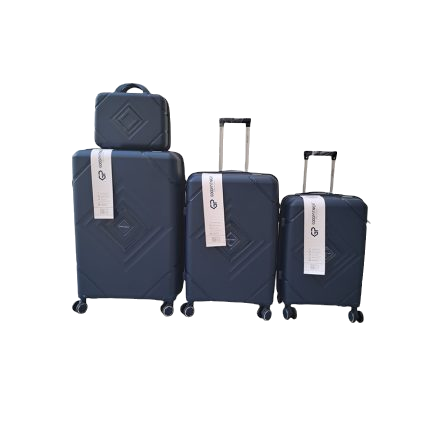
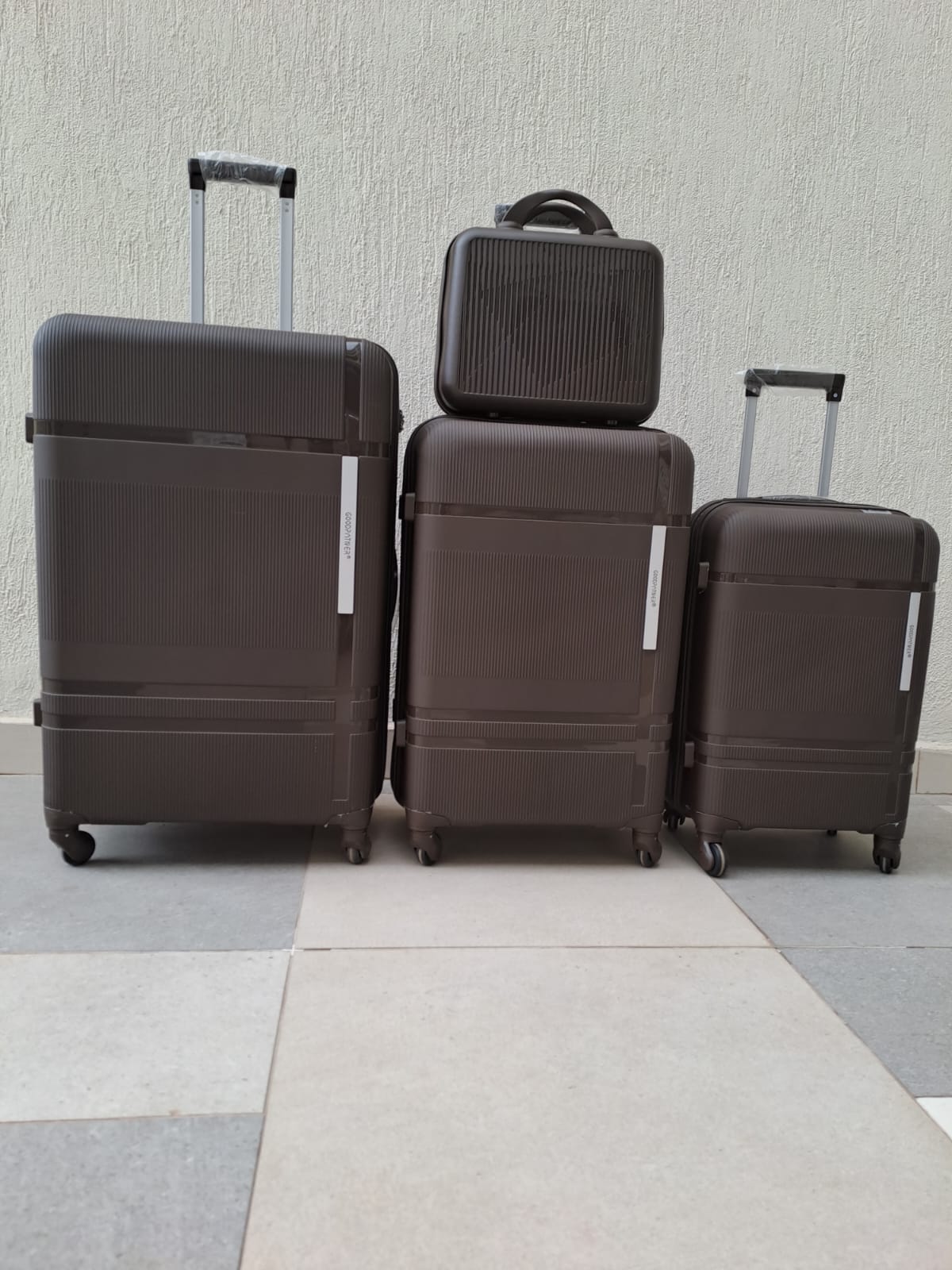
Choosing the right suitcase can make travelling easier, whether you are taking a short weekend break, travelling for business or preparing for an international holiday. With so many types of suitcases available, it helps to understand how they differ before deciding which one suits your needs.
Some suitcases have rigid outer shells designed to protect their contents, while others use flexible fabric that can accommodate extra items. Some have four wheels for easy movement in different directions, while traditional two-wheel designs are better suited to certain uneven surfaces. There are also cabin suitcases, large checked suitcases and expandable models for travellers who need additional packing space.This guide explains the main types of suitcases, their features, advantages and limitations, and what to consider when choosing luggage in Kenya.
What Are the Main Types of Suitcases?
Suitcases can be classified according to their shell material, wheel design, size and intended use. Understanding these categories makes it easier to compare different models.
The main types include:
- Hard-shell suitcases
- Soft-shell suitcases
- Spinner suitcases
- Two-wheel or upright suitcases
- Cabin or carry-on suitcases
- Medium and large checked suitcases
- Expandable suitcases
- Lightweight suitcases
- Garment suitcases
Some suitcases belong to more than one category. For example, a suitcase can be hard-shell, expandable and fitted with four spinner wheels.
Hard-Shell Suitcases
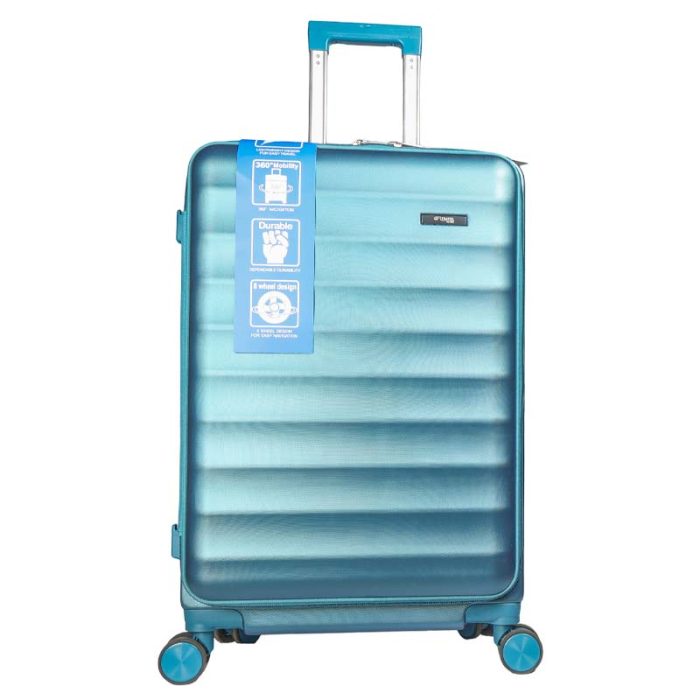
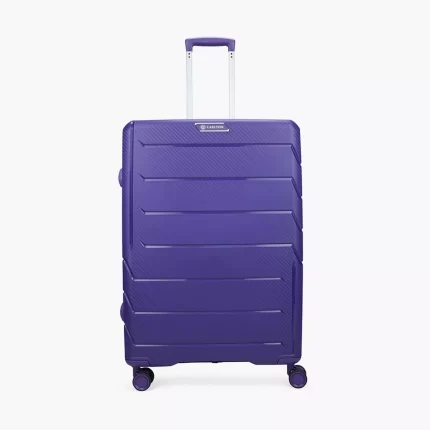
Hard-shell suitcases have a rigid outer casing made from materials such as ABS plastic, polycarbonate or polypropylene. Their firm exterior helps protect packed belongings from pressure and rough handling.
They are popular with travellers who carry electronics, souvenirs, fragile items or belongings that need a more structured packing space.
Advantages of hard-shell suitcases
- Structured protection: The rigid exterior provides a protective barrier around packed items.
- Easy cleaning: Most hard surfaces can be wiped clean with a damp cloth.
- Modern designs: They are available in different colours, finishes and styles.
- Shape retention: The shell maintains its shape even when the suitcase is not completely full.
Disadvantages of hard-shell suitcases
- They may crack or become damaged if subjected to severe impact.
- Some models do not have external pockets for quick access to documents or small items.
- Scratches can be visible, especially on glossy finishes.
- Their rigid shape may make storage more difficult in tight spaces.
Who should buy a hard-shell suitcase?
A hard-shell suitcase may suit international travellers, frequent flyers and people carrying delicate belongings. The best choice depends on the shell material, construction, wheel quality, zips and overall weight.
Soft-Shell Suitcases
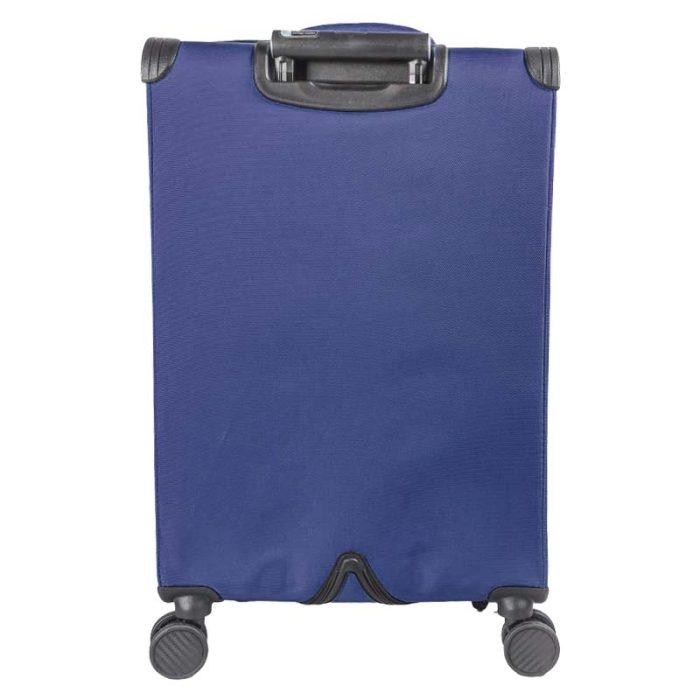
Soft-shell suitcases are made from flexible materials such as polyester or nylon. Unlike rigid luggage, their fabric exterior can offer a little flexibility when packing clothing and other everyday travel items.
Many soft-shell designs include external compartments, making it easier to reach documents, chargers and travel accessories without opening the main compartment.
Advantages of soft-shell suitcases
- Flexible packing: The fabric exterior can accommodate slightly irregularly shaped items.
- External pockets: Many models provide convenient storage for small essentials.
- Lightweight options: Some fabric suitcases are lighter than comparable hard-shell designs.
- Practical storage: Flexible construction can make certain models easier to fit into storage spaces.
Disadvantages of soft-shell suitcases
- Fabric can absorb moisture unless it has suitable water-resistant treatment.
- It may tear or wear out if handled roughly.
- Soft material generally provides less impact protection than a rigid shell.
- Stains and dirt may be harder to remove.
Who should buy a soft-shell suitcase?
Soft-shell luggage is worth considering for domestic travel, road trips and travellers who value external pockets and flexible packing. Check the fabric quality, stitching, zips and wheel attachments before buying.
Spinner Suitcases
Spinner suitcases are identified by their multi-directional wheels, usually four wheels positioned at the corners of the base. These wheels allow the suitcase to move in different directions, including sideways.
This design makes spinner luggage convenient in airport terminals, hotel corridors and other smooth indoor spaces.
Advantages of spinner suitcases
- Easy manoeuvrability: They can move in several directions without needing to be tilted.
- Convenient handling: You can push the suitcase beside you instead of pulling it behind you.
- Smooth indoor movement: They are useful in airports and other places with flat floors.
- Reduced pulling effort: The upright position can make handling more comfortable.
Disadvantages of spinner suitcases
- Small wheels may struggle on rough roads, gravel and uneven pavements.
- Wheels can be vulnerable to damage if the suitcase is dragged over obstacles.
- Some spinner models have less internal space because of their wheel construction.
- They may roll away on sloping surfaces if not secured.
Who should buy a spinner suitcase?
Spinner suitcases are suitable for travellers who frequently move through airports, shopping centres, hotels and other smooth indoor environments. Look for sturdy wheels that rotate freely and are securely attached.
Two-Wheel or Upright Suitcases
Two-wheel suitcases have wheels fitted at one end of the base. They are designed to be tilted and pulled behind the traveller using a telescopic handle.
Unlike spinner luggage, they do not normally move sideways while upright. However, their wheel design can be practical when travelling across surfaces that are not perfectly smooth.
Advantages of two-wheel suitcases
- Larger wheels on some models can handle uneven surfaces better than small spinner wheels.
- They remain stationary more easily when placed upright.
- Their design can provide useful internal packing space.
- They are practical for travellers who prefer pulling luggage behind them.
Disadvantages of two-wheel suitcases
- They must usually be tilted when moving.
- Pulling a heavy suitcase can place additional strain on the arm and shoulder.
- They are less manoeuvrable in tight spaces than four-wheel spinner models.
Who should buy a two-wheel suitcase?
Consider a two-wheel suitcase if your journeys involve pavements, railway platforms, road transfers or surfaces that may not always be smooth.
Cabin or Carry-On Suitcases
Cabin suitcases are designed to be carried into an aircraft cabin, subject to the airline's size, weight and baggage rules. They are usually smaller than checked suitcases and are suitable for short trips or essential items.
A cabin suitcase may be useful for a weekend trip, a short business visit or as additional luggage alongside a checked bag.
Advantages of cabin suitcases
- They keep important belongings close to you during a flight.
- They can reduce the need to check in a bag when travelling light.
- They are convenient for short journeys.
- They make it easier to access travel essentials.
Disadvantages of cabin suitcases
- Their capacity is limited.
- Airlines have different cabin baggage restrictions.
- Overpacking can make the suitcase too heavy or too large.
- Some flights may require cabin bags to be placed in the hold due to space limitations.
What size cabin suitcase should you buy?
Do not assume that every cabin suitcase is accepted by every airline. Check the airline's current cabin baggage dimensions and weight allowance before travelling. Include the wheels and handles when measuring the suitcase, since these can affect its total external dimensions.
Medium and Large Checked Suitcases
Checked suitcases are luggage pieces handed over to the airline at check-in and transported in the aircraft's hold. They are available in different sizes and are useful when travelling for longer periods or carrying more belongings.
Medium suitcases
Medium suitcases offer a balance between capacity and manageability. They may suit holidays lasting several days, depending on the traveller's packing habits and the nature of the trip.
Large suitcases
Large suitcases provide more packing space for extended holidays, family travel or journeys that require bulky clothing. However, a large suitcase can become heavy when fully packed.
Before choosing either size, check the airline's checked baggage allowance. A suitcase's physical capacity does not mean that an airline will accept it without additional charges.
Expandable Suitcases
Expandable suitcases have an additional zip section that increases their packing capacity when opened. This feature can be useful when you expect to return with more belongings than you took on your trip.
Advantages of expandable suitcases
- They provide additional space when needed.
- They offer flexibility for shopping trips and longer holidays.
- They can be used in a more compact form when the expansion section is closed.
Disadvantages of expandable suitcases
- Expanding the suitcase increases its external dimensions.
- Extra space can encourage overpacking.
- A fully packed expandable suitcase may exceed the airline's weight allowance.
Always check the expanded dimensions and final packed weight before travelling.
Lightweight Suitcases
Lightweight suitcases are designed to reduce the weight of the luggage itself. They can be particularly useful when travelling with airlines that enforce strict baggage weight limits.
Lightweight does not automatically mean durable. Check the quality of the shell or fabric, handles, zips, seams and wheels before choosing a model.
A good lightweight suitcase should balance low empty weight with dependable construction.
Garment Suitcases
Garment suitcases are designed to transport clothes while helping reduce creasing. They may include internal hanging sections, straps and compartments for formal clothing.
They are particularly useful for business trips, weddings, conferences and occasions where suits, dresses or other formal outfits need to arrive in good condition.
Some garment suitcases fold into a compact shape, while others are designed as larger wheeled luggage.
Types of Suitcases Compared
| Suitcase type | Main feature | Best suited for |
|---|---|---|
| Hard-shell | Rigid protective exterior | Travellers carrying delicate belongings |
| Soft-shell | Flexible fabric construction | Flexible packing and external pockets |
| Spinner | Four multi-directional wheels | Airports and smooth indoor floors |
| Two-wheel | Pull-behind wheel design | Travellers using varied surfaces |
| Cabin | Compact size | Short trips and cabin baggage |
| Medium checked | Moderate packing capacity | Holidays lasting several days |
| Large checked | Greater packing capacity | Extended holidays and family travel |
| Expandable | Additional zip section | Travellers who need flexible capacity |
| Lightweight | Reduced empty weight | Travellers managing baggage limits |
| Garment | Clothing-focused compartments | Business and formal travel |
Types of Suitcases and Their Prices in Kenya
The types of suitcases and their prices vary depending on size, material, brand, construction and features. A basic fabric suitcase may cost less than a premium hard-shell model with reinforced corners, quality wheels and a built-in locking system.
When comparing suitcase prices in Kenya, consider the following factors:
Material: Polycarbonate, polypropylene, ABS, polyester and nylon have different characteristics and manufacturing costs.
Size: Large suitcases generally use more material and may cost more than smaller cabin models.
Wheel design: Wheel quality and construction can affect the price. Check whether the wheels rotate smoothly and feel securely attached.
Brand and finish: Brand reputation, design details and finishing can influence the selling price.
Additional features: Expandable sections, combination locks, reinforced handles and organised compartments may affect the final price.
Rather than choosing a suitcase based on price alone, compare its construction, warranty, capacity and practical features. Check the current product listings at The Trendy Suitcase for available designs, sizes and prices.
How to Choose the Right Type of Suitcase
The best suitcase depends on where you are travelling, how long you will be away and what you need to pack.
Consider the length of your trip
A cabin suitcase may be enough for a short weekend visit. A medium suitcase may be more suitable for a holiday lasting several days, while a large suitcase can offer additional room for an extended trip.
Your packing habits also matter. Someone who packs minimally may need less space than a traveller carrying several outfits, shoes and accessories.
Check airline baggage restrictions
Before buying a suitcase for air travel, check the airline's current cabin or checked baggage requirements. Airlines may have different limits for dimensions, weight and the number of bags allowed.
Remember that baggage allowances can also vary by route, fare type and ticket conditions.
Choose the right wheel design
Four-wheel spinner suitcases are convenient on smooth surfaces and in crowded terminals. Two-wheel suitcases may be more practical when you regularly travel over uneven ground.
Consider the surfaces you are likely to encounter rather than choosing based on appearance alone.
Think about what you will pack
Hard-shell suitcases may suit travellers who want a rigid outer structure. Soft-shell suitcases may be more convenient for those who prefer external pockets and flexible packing.
If you regularly travel with formal clothing, a garment suitcase may be worth considering.
Check the handles, zips and wheels
These components affect how convenient a suitcase is to use. Test the telescopic handle, inspect the stitching or shell joins, and check that zips open and close smoothly.
Wheels should rotate freely without wobbling excessively. Handles should feel secure when extended and when carrying the suitcase.
Consider storage space
A large suitcase may be useful for extended travel but can take up significant storage space at home. If you travel occasionally, consider where you will keep the luggage between trips.
How to Maintain Your Suitcase
Proper care can help keep luggage in good condition and make it more useful over time.
- Clean it after travelling: Remove dust, stains and dirt using cleaning methods suitable for the suitcase material.
- Avoid overpacking: Excessive weight can strain wheels, handles, zips and seams.
- Store it in a dry place: Keep luggage away from excessive moisture and direct heat.
- Check the wheels: Remove trapped dirt and inspect for loose or damaged components.
- Protect the zips: Avoid forcing a zip when the suitcase is too full.
- Keep it organised: Store small accessories in compartments or packing organisers to reduce unnecessary pressure on the main closure.
Follow the manufacturer's care instructions, especially when cleaning specialised materials or finishes.
Frequently Asked Questions About Types of Suitcases
What are the main types of suitcases?
The main types include hard-shell, soft-shell, spinner, two-wheel, cabin, medium, large, expandable, lightweight and garment suitcases. They differ in construction, size, wheel design and intended use.
Which is better, a hard-shell or soft-shell suitcase?
A hard-shell suitcase offers a rigid exterior, while a soft-shell suitcase offers flexible fabric construction and often has external pockets. The better option depends on your packing needs, travel style and preferred features.
What is a spinner suitcase?
A spinner suitcase is fitted with multi-directional wheels, usually four, allowing it to move in different directions. It is convenient in airports and on smooth floors.
What is the difference between a spinner and a two-wheel suitcase?
A spinner suitcase normally has four wheels and can move in multiple directions while upright. A two-wheel suitcase is tilted and pulled behind the traveller.
What size suitcase is suitable for a one-week trip?
A medium suitcase may be sufficient for many one-week trips, but the right size depends on how much you pack, the weather at your destination and whether you need extra clothing or equipment.
Are cabin suitcases accepted on every airline?
No. Cabin baggage dimensions, weight limits and permitted items vary between airlines and sometimes between fare types. Always check the rules for your specific flight before departure.
What are expandable suitcases?
Expandable suitcases have an additional zip section that increases their packing capacity. The expanded size may affect whether the suitcase meets airline baggage restrictions.
What should I check before buying a suitcase?
Check the material, dimensions, empty weight, wheel quality, handles, zips, compartments, locking features and warranty. Also consider how often you travel and the baggage rules of the airlines you use.
How do I compare types of suitcases and their prices?
Compare suitcases by material, size, construction, brand, wheel design and additional features. Check current retailer listings because prices and stock can change.
Find a Suitcase That Fits Your Travel Needs
The right suitcase should match your destination, travel duration, packing habits and transport arrangements. A hard-shell model may suit someone who prefers a rigid exterior, while a soft-shell design may appeal to a traveller who values flexibility and external pockets. Spinner and two-wheel suitcases also offer different handling experiences.
Explore the available luggage at The Trendy Suitcase and compare sizes, designs and features before choosing your next travel companion. Always confirm the suitcase's dimensions and weight against your airline's baggage requirements before departure.