Backpack
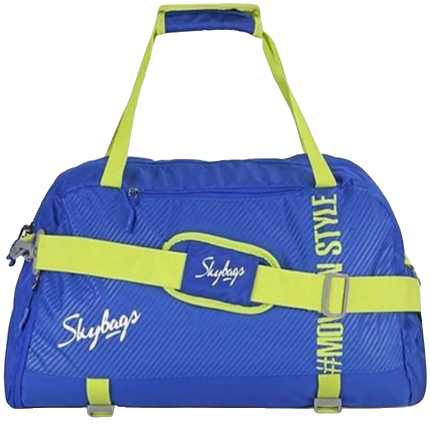
 Duffle
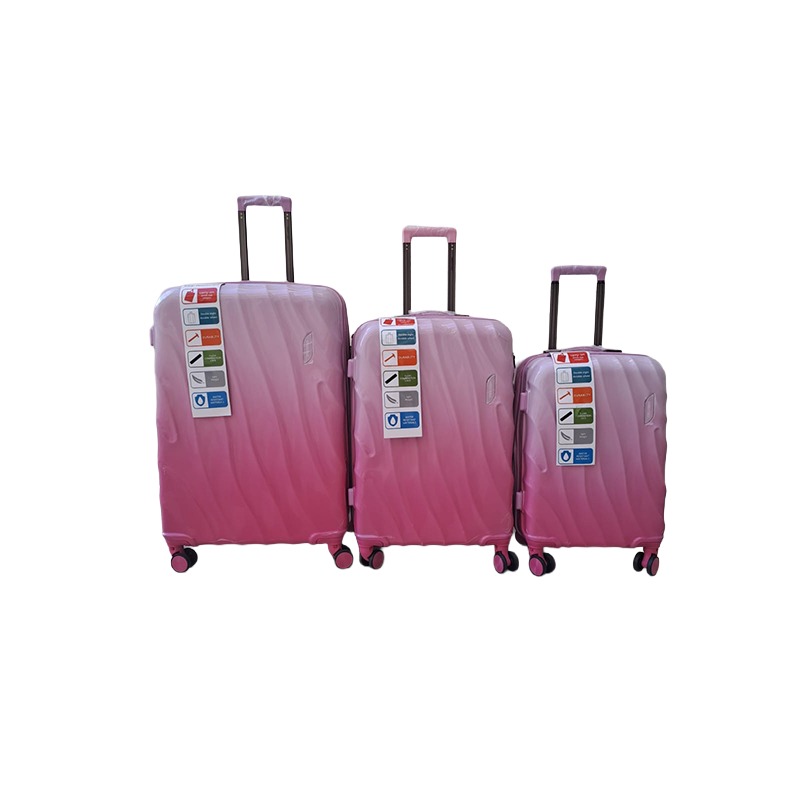
 Luggage
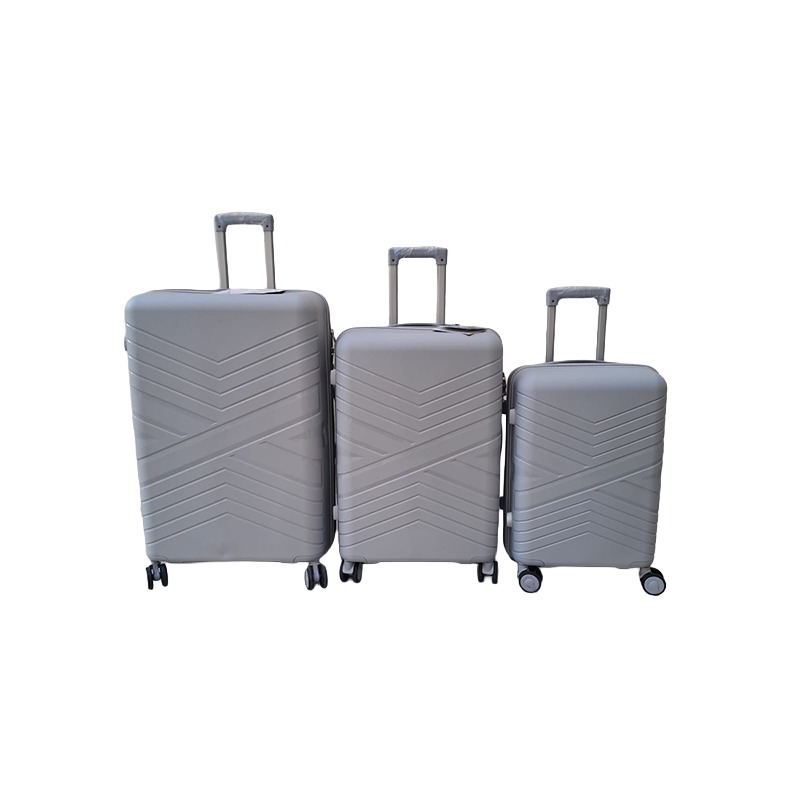
 Trolley
 Bags
Bags
Weigh Your Luggage Before the Airport:Proven Ways to Avoid an Overweight Bag

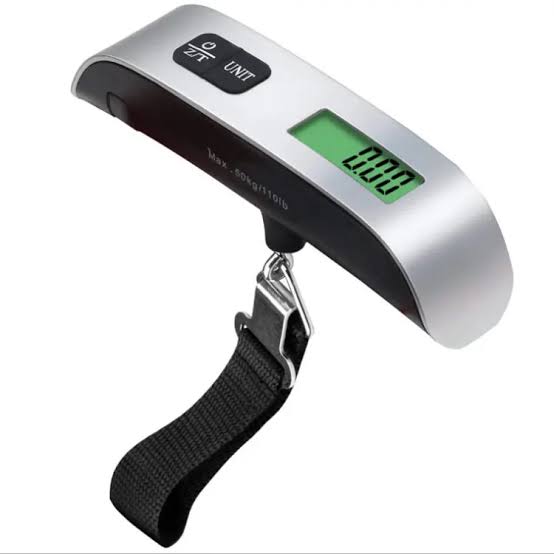
Packing for a flight is not finished when the suitcase closes. One of the most important steps happens before you leave home: weighing your luggage.
A suitcase can look reasonably packed and still exceed the airline’s permitted weight. This is particularly frustrating when you discover the problem at the airport and have to remove clothing, redistribute belongings or pay an unexpected excess baggage charge.
For travellers in Kenya, learning how to weigh suitcase home can make airport preparation much easier. A simple luggage scale can tell you whether your bag is within the allowance before you head to JKIA, Wilson Airport or another departure point.
The other factor many travellers overlook is suitcase empty weight. Two suitcases with similar capacity can have significantly different empty weights. If one weighs 5 kg before you pack anything and another weighs only 3 kg, the lighter model gives you an additional 2 kg of usable packing capacity.
This guide explains how to choose a luggage scale Kenya travellers can use, how to weigh suitcase home accurately, why suitcase empty weight matters and how to avoid overweight bag problems before reaching the airport.
Whether you are travelling for business, a family holiday, a safari or an international trip, these practical steps can help you pack more confidently.
Luggage Scale Kenya: Why Every Frequent Traveller Should Own One
A luggage scale Kenya travellers can keep at home provides a simple way to check suitcase weight before leaving for the airport. It can help identify overweight bags early enough to repack, remove unnecessary items or redistribute belongings.
Many travellers still estimate luggage weight by lifting the suitcase.
That is unreliable.
A bag can feel manageable while weighing several kilograms more than expected.
Consider a suitcase containing:
- Five shirts.
- Two pairs of trousers.
- Two pairs of shoes.
- Toiletries.
- Electronics.
- A jacket.
- Books.
- Gifts.
Individually, none of these items seems particularly heavy.
Together, they can push the suitcase beyond your airline’s allowance.
A small luggage scale Kenya travellers can use at home removes the guesswork.
Instead of asking:
“Does this feel light enough?”
you can ask:
“Does this weigh 21.8 kg?”
That is a much more useful question.
How to Weigh Suitcase Home Accurately
To weigh suitcase home accurately, place the luggage scale on a stable surface if it is a platform model, or attach a hanging scale securely to the suitcase handle before lifting it. Take the measurement more than once if the result is close to your airline’s limit.
There are several types of luggage scales.
Hanging Luggage Scales
These are compact and portable.
You attach the hook or strap to the suitcase handle, lift the bag and wait for the display to stabilise.
Platform Scales
These work similarly to ordinary household weighing scales.
You place the suitcase directly on the platform.
Smart Scales
Some modern scales can provide digital readings and additional information, although advanced features are not necessary for basic luggage weighing.
For most travellers, the key requirement is simple:
The scale should provide a reliable weight reading.
Weigh Suitcase Home: Step-by-Step Method
The easiest way to weigh suitcase home is to prepare the suitcase completely, close all compartments and pockets, then measure its total weight before travelling.
Follow these steps.
Step 1: Pack Everything
Do not weigh an empty suitcase and assume the final weight will be predictable.
Pack everything you intend to take.
Include:
- Shoes.
- Toiletries.
- Chargers.
- Electronics.
- Books.
- Gifts.
- Accessories.
Step 2: Close the Suitcase
Zip or lock it exactly as you will present it at check-in.
Step 3: Attach the Scale
For a hanging luggage scale, secure it firmly to the main handle.
Step 4: Lift Carefully
Lift the suitcase until it is completely off the floor.
Step 5: Wait for the Reading
Allow the number to stabilise.
Step 6: Repeat
Lower the suitcase and weigh it again.
If both readings are similar, you have greater confidence in the result.
This is the simplest way to weigh suitcase home before departure.
Luggage Scale Kenya: What Features Should You Look For?
The best luggage scale Kenya travellers can use does not need to be complicated. Accuracy, an easy-to-read display, adequate weight capacity and portability are more important than unnecessary features.
When selecting a luggage scale, consider the following.
Maximum Capacity
Choose a scale capable of weighing your largest suitcase.
Accuracy
Look for a scale that provides sufficiently precise readings for airline baggage limits.
Display
A clear digital display is useful, especially when weighing luggage in low light.
Tare Function
A tare feature can be useful for certain packing situations.
Unit Selection
Some scales display:
- Kilograms.
- Pounds.
- Other units.
For Kenyan travellers, kilograms are particularly convenient because airline baggage allowances are commonly expressed in kilograms.
Battery Life
A scale is not useful if the battery is dead before your trip.
Size
A compact scale can easily fit into your luggage.
That means you can take it with you and weigh your bag again before returning home.
Suitcase Empty Weight: Why It Can Cost You More Than You Think
Suitcase empty weight determines how much of your airline baggage allowance remains available for your belongings. A lighter suitcase gives you more usable capacity without increasing the airline’s permitted weight.
This is one of the most overlooked luggage considerations.
Imagine two suitcases.
Suitcase A
Empty weight: 5 kg
Suitcase B
Empty weight: 3 kg
Suppose your airline allows:
23 kg
With Suitcase A:
23 kg − 5 kg = 18 kg available
With Suitcase B:
23 kg − 3 kg = 20 kg available
The second suitcase gives you approximately 2 kg more packing capacity.
That could make a major difference when travelling.
The suitcase empty weight is therefore an important specification to check before purchasing luggage.
Suitcase Empty Weight: Capacity Is Not Everything
A suitcase with a large advertised capacity is not necessarily the best choice if the suitcase itself is heavy. Travellers should consider usable capacity after accounting for the suitcase empty weight.
Suppose one large suitcase holds 100 litres but weighs 5.5 kg.
Another holds 85 litres but weighs 3 kg.
If your airline has a strict 23 kg allowance, the lighter suitcase could actually be more useful.
Why?
Because you have more weight available for your belongings.
This is especially important for travellers who regularly fly with:
- Economy tickets.
- Strict checked baggage limits.
- Smaller domestic allowances.
- Safari baggage restrictions.
When comparing luggage, therefore, consider:
Capacity + empty weight + dimensions + durability.
Avoid Overweight Bag Problems Before Leaving Home
To avoid overweight bag problems, weigh your suitcase after packing and leave a small margin below the airline’s maximum rather than packing exactly to the permitted limit.
For example, if your allowance is 23 kg, consider aiming for approximately:
21–22 kg
instead of:
23.0 kg
Why leave a margin?
Because you may still need to add something before departure.
You may also purchase:
- Snacks.
- Gifts.
- Small souvenirs.
- Toiletries.
- Additional clothing.
There can also be slight differences between your home scale and the airport’s baggage scale.
The goal is not to maximise every gram.
The goal is to arrive comfortably under the limit.
Avoid Overweight Bag Problems With the 3-Stage Weighing Method
A three-stage weighing routine makes it easier to avoid overweight bag surprises by checking the suitcase before packing, during packing and after the final items have been added.
Stage 1: Empty Suitcase
Record your suitcase empty weight.
For example:
3.2 kg
Stage 2: Half Packed
Weigh the suitcase after adding most of your belongings.
For example:
14.5 kg
Stage 3: Fully Packed
Weigh the final suitcase.
For example:
21.4 kg
This method helps you understand where the weight is going.
If the suitcase reaches 25 kg, you know you need to remove approximately 2 kg if your limit is 23 kg.
This is much easier than discovering the problem at the airport.
Weigh Suitcase Home Before Every Flight
Even if you own the same suitcase and usually pack the same way, you should weigh suitcase home before every journey because the contents, airline allowance and trip requirements can change.
A previous trip does not guarantee that the next suitcase will have the same weight.
You may have added:
- New shoes.
- A laptop.
- Gifts.
- Winter clothing.
- Camera equipment.
- Books.
- Business documents.
Your airline allowance may also be different.
For example, your previous ticket could have included 2 × 23 kg while your new fare includes only 1 × 23 kg.
Always check the current ticket.
Then weigh suitcase home.
Luggage Scale Kenya: How to Use a Bathroom Scale
If you do not have a dedicated luggage scale, a household bathroom scale can provide a useful estimate by comparing your weight while holding the suitcase with your weight without it.
This method works best when you do not have access to a dedicated luggage scale.
Method
- Weigh yourself without the suitcase.
- Record the result.
- Pick up the suitcase.
- Weigh yourself again while holding it.
- Subtract your body weight from the combined figure.
For example:
You alone: 70 kg
You + suitcase: 91.5 kg
Therefore:
91.5 − 70 = 21.5 kg
Your suitcase weighs approximately:
21.5 kg
This method is not as convenient as using a dedicated luggage scale Kenya travellers can purchase, but it can provide a useful estimate.
Weigh Suitcase Home: Why a Dedicated Scale Is Better
A dedicated luggage scale is generally more convenient than a bathroom scale because it is designed specifically for bags and can be carried during your trip for return-journey weighing.
A dedicated scale offers several advantages.
Portable
It takes up very little space.
Easy to Use
Attach, lift and read.
Useful During Your Return Trip
You can weigh your luggage again after shopping.
Better for Heavy Bags
You do not need to hold the suitcase on a bathroom scale.
Easy Storage
It can remain with your travel accessories.
For frequent flyers, a luggage scale can become one of the most useful small travel accessories.
Avoid Overweight Bag Problems by Weighing Each Piece Separately
Travellers with multiple checked bags should weigh each suitcase individually rather than relying only on the combined weight, because airlines may impose a maximum weight per individual piece.
Suppose your allowance is:
2 × 23 kg
You have:
Bag 1 = 25 kg
Bag 2 = 18 kg
Combined:
43 kg
The total appears to be below:
46 kg
But Bag 1 could still exceed the individual maximum.
This is why you should:
Weigh Bag 1.
Weigh Bag 2.
Then consider the combined total where the airline’s baggage concept permits it.
Do not assume that excess weight in one bag can always be offset by unused weight in another.
Suitcase Empty Weight: Check Before You Buy
Checking suitcase empty weight before purchasing can prevent you from choosing a heavy suitcase that consumes a large portion of your airline allowance before you have packed anything.
When comparing two similar suitcases, look beyond:
- Colour.
- Design.
- Number of compartments.
- Brand.
- Price.
Check the weight.
A suitcase that weighs several kilograms more than a comparable model can reduce your useful packing allowance considerably.
For frequent travellers, that difference can become important over many journeys.
Browse the luggage collection at The Trendy Suitcase when comparing travel luggage options.
Avoid Overweight Bag Problems With a Packing List
A packing list prevents unnecessary items from entering your suitcase and makes it easier to identify what can be removed if your final luggage weight is too high.
Before packing, write down everything you need.
Separate items into categories:
Clothing
- Shirts.
- Trousers.
- Underwear.
- Socks.
- Jacket.
Footwear
- Main shoes.
- Optional second pair.
Toiletries
- Toothbrush.
- Toothpaste.
- Personal care products.
Electronics
- Phone.
- Laptop.
- Charger.
- Power bank where permitted.
Documents
- Passport.
- Identification.
- Tickets.
- Booking information.
Once everything is listed, remove unnecessary items before putting them into the suitcase.
This makes it easier to avoid overweight bag situations.
Avoid Overweight Bag Problems by Reducing Heavy Items
When a suitcase is overweight, removing a few heavy items can make a bigger difference than removing many lightweight pieces of clothing.
Start with the heaviest categories.
Check:
- Shoes.
- Books.
- Toiletries.
- Electronics.
- Bottles.
- Heavy jackets.
- Food.
- Gifts.
Removing one heavy pair of shoes might save more weight than removing several shirts.
Therefore, when you need to reduce your suitcase by 2 kg, do not immediately start removing individual socks.
Find the heavy items first.
Weigh Suitcase Home: Pay Attention to Shoes
Shoes can contribute substantially to suitcase weight, so reducing unnecessary footwear is one of the quickest ways to bring an overweight suitcase back under the limit.
A traveller may pack:
- Formal shoes.
- Sneakers.
- Sandals.
- Boots.
- Slippers.
Ask yourself whether you actually need every pair.
For a short business trip, you may need only:
Formal shoes + comfortable walking shoes.
For a holiday:
Sneakers + sandals
may be enough.
Wear the heaviest practical shoes during the journey rather than placing them inside the suitcase.
This can help you avoid overweight bag problems.
Luggage Scale Kenya: Weighing Safari Luggage
A luggage scale Kenya travellers use before safari flights can be especially valuable because some safari routes have tighter baggage conditions than conventional international flights.
Safari travellers may carry:
- Clothing.
- Binoculars.
- Camera equipment.
- Hiking shoes.
- Toiletries.
- Jackets.
- Personal equipment.
All these items add weight.
Before leaving Nairobi, check the exact allowance for your safari flight.
Then weigh suitcase home.
Soft-sided luggage can also be practical for some safari itineraries because of its flexible construction.
Browse duffle bags for flexible travel options.
Weigh Suitcase Home: Don’t Forget Your Backpack
A common packing mistake is to weigh only the checked suitcase while ignoring the weight of the cabin bag or backpack, even though airlines may impose separate cabin baggage limits.
If your airline permits:
Checked bag + cabin bag
you should check both.
Your backpack may contain:
- Laptop.
- Camera.
- Charger.
- Tablet.
- Books.
- Power bank.
- Headphones.
All of this adds up.
Before departure:
Weigh your checked suitcase.
Then:
Check your cabin bag against the airline’s current requirements.
Browse backpacks for travel and business options.
Suitcase Empty Weight: Hard-Shell vs Soft-Shell
The suitcase empty weight can vary significantly between hard-shell and soft-shell designs, although the actual weight depends on the specific model, materials and construction.
Hard-Shell
Potential benefits:
- Structured protection.
- Impact resistance.
- Easy cleaning.
- Rigid exterior.
Potential drawback:
- Some models can be heavier.
Soft-Shell
Potential benefits:
- Flexibility.
- External pockets.
- Easy access.
- Potentially lower weight.
Potential drawback:
- Less rigid protection.
Neither type is automatically better.
The best choice depends on your travel style.
But if weight is a major concern, compare the actual suitcase empty weight before buying.
Avoid Overweight Bag Problems With Smart Luggage Organisation
Good luggage organisation makes it easier to see exactly what you are carrying, identify unnecessary items and redistribute heavy belongings when your suitcase approaches the airline’s limit.
Try this system:
Bottom Layer
Place heavier clothing and stable items at the bottom.
Middle Layer
Add folded or rolled clothing.
Top Layer
Keep frequently needed items accessible.
Internal Compartments
Use them for small accessories.
External Pockets
Use only where appropriate and remember that these items contribute to the total luggage weight.
Organisation does not reduce weight by itself.
But it makes weight management easier.
Weigh Suitcase Home After Buying Souvenirs
Travellers often return from a trip with more luggage than they had on departure, so carrying a small luggage scale can help them check their return bags before heading to the airport.
This is particularly useful after shopping.
You may return with:
- Clothes.
- Shoes.
- Gifts.
- Local crafts.
- Food products.
- Souvenirs.
Your original suitcase may have been:
20 kg
After shopping:
26 kg
If your allowance is 23 kg, you have a problem.
A portable luggage scale gives you time to solve it.
You can:
- Remove items.
- Redistribute weight.
- Use another permitted piece.
- Purchase additional baggage where available.
This is another reason a luggage scale Kenya traveller can carry is useful beyond the initial departure.
Avoid Overweight Bag: Seven Things to Remove First
If your suitcase exceeds the limit, remove heavy and non-essential items first rather than unpacking everything randomly.
Start with:
1. Extra Shoes
They can be surprisingly heavy.
2. Books
Consider digital alternatives.
3. Full-Size Toiletries
Use smaller permitted containers where appropriate.
4. Duplicate Clothing
Remove outfits you are unlikely to wear.
5. Heavy Jackets
Wear them where practical.
6. Unnecessary Electronics
Leave devices you do not need.
7. Excessive Packaging
Remove unnecessary boxes and packaging where appropriate.
These steps can help you avoid overweight bag charges while retaining your essential belongings.
Luggage Scale Kenya: A Small Investment That Can Save Money
A luggage scale is inexpensive compared with a potential excess baggage charge, making it a practical travel accessory for anyone who flies regularly.
Think about the alternative.
You arrive at the airport.
Your bag is overweight.
You have two options:
Pay.
Or:
Repack.
Neither is convenient.
A luggage scale gives you the information earlier.
That allows you to make a decision at home, where you have:
- More time.
- More space.
- More packing options.
- Better access to alternative bags.
For frequent travellers, this makes a luggage scale Kenya purchase highly practical.
Weigh Suitcase Home: A Complete Pre-Airport Routine
The most reliable pre-airport routine combines checking the airline allowance, weighing every bag, measuring dimensions and leaving a small margin below the permitted limit.
Use this routine the night before departure.
Step 1: Check Your Ticket
Confirm:
- Checked allowance.
- Cabin allowance.
- Number of pieces.
Step 2: Check the Airline’s Current Rules
Do not rely on memory.
Step 3: Pack Completely
Include every item.
Step 4: Weigh Each Bag
Record the results.
Step 5: Check Dimensions
Make sure the suitcase complies.
Step 6: Review Heavy Items
Remove unnecessary weight.
Step 7: Weigh Again
Confirm the final weight.
Step 8: Leave a Margin
Avoid packing exactly to the maximum.
Step 9: Prepare Your Cabin Bag
Check its weight and dimensions too.
Step 10: Pack Your Scale
If possible, take it with you.
This routine makes it much easier to weigh suitcase home and avoid overweight bag problems.
Why The Trendy Suitcase Is a Useful Place to Buy Travel Luggage
The Trendy Suitcase offers luggage, trolley bags, backpacks and duffle bags for Kenyan travellers who want practical options for business, holidays, domestic journeys and international travel.
Choosing luggage is not only about appearance.
Consider:
- Empty weight.
- Capacity.
- Dimensions.
- Wheel quality.
- Handle strength.
- Material.
- Compartments.
- Security features.
A good suitcase should make your journey easier rather than consume an unnecessarily large part of your baggage allowance.
Visit The Trendy Suitcase at:
Our Mall, Magadi Road, Karen, Nairobi, Kenya.
You can learn more through the About Us page.
For shoppers who prefer online purchasing, the Shop page provides access to available travel products.
The Trendy Suitcase offers deliveries across Kenya, including:
- Nairobi.
- Nakuru.
- Kisumu.
- Mombasa.
- Eldoret.
- Major towns across Kenya.
Same-day delivery is available within Nairobi, while next-day delivery to other parts of Kenya is available subject to applicable arrangements.
If you need help selecting a suitcase based on your airline allowance, contact The Trendy Suitcase.
Weigh Suitcase Home: The Best Packing Formula
A simple packing formula can help you stay below your airline’s limit: know the allowance, subtract the suitcase empty weight, pack only what you need and leave a safety margin.
For example:
Airline allowance: 23 kg
Suitcase empty weight: 3 kg
Maximum theoretical contents: 20 kg
But instead of packing exactly 20 kg of belongings, aim for approximately:
18–19 kg of belongings
That gives you an overall suitcase weight of approximately:
21–22 kg
This provides a useful buffer.
The exact figures depend on your airline’s allowance, but the principle works broadly.
Frequently Asked Questions About Weighing Luggage
How can I weigh my suitcase at home?
The easiest method is to use a hanging luggage scale. Attach it securely to the suitcase handle, lift the suitcase and wait for the weight to stabilise.
What if I don’t own a luggage scale?
You can use a bathroom scale by weighing yourself, then weighing yourself while holding the suitcase and subtracting the two readings.
Why does suitcase empty weight matter?
The heavier the suitcase, the less of your airline’s baggage allowance remains for your belongings.
How much should I weigh before going to the airport?
Check the exact allowance on your ticket. As a practical precaution, consider leaving a small margin below the maximum.
Should I weigh my cabin bag?
Yes. If your airline specifies a cabin weight limit, your cabin bag should also be checked before departure.
Should I weigh every suitcase separately?
Yes. Individual bags can have their own maximum weight even when your ticket provides a combined allowance.
Can I carry a luggage scale when travelling?
A small luggage scale is generally a useful travel accessory, but always follow applicable airline and airport security requirements.
What is the best suitcase for avoiding overweight baggage?
Look for a suitcase with a low empty weight, appropriate capacity, durable construction and dimensions that comply with your airline’s requirements.
Final Thoughts: Weigh Your Luggage Before You Leave Home
Learning how to weigh suitcase home is one of the simplest ways to avoid unnecessary baggage problems at the airport. A reliable luggage scale, a lightweight suitcase and disciplined packing can make a significant difference.
Do not wait until you reach the check-in counter to discover that your suitcase is overweight.
Check your airline allowance first.
Then check your suitcase empty weight.
Pack everything you intend to take.
Use a luggage scale Kenya travellers can keep at home or carry during their journey.
Then weigh suitcase home before leaving.
If the result is too high, do something about it immediately.
Remove unnecessary shoes.
Reduce toiletries.
Take out duplicate clothing.
Consider lighter luggage.
Redistribute your belongings where the airline rules permit.
Most importantly, do not pack right up to the maximum if you can avoid it.
Leaving a small margin gives you room for last-minute changes and purchases.
If you are looking for new luggage in Kenya, visit The Trendy Suitcase at Our Mall, Magadi Road, Karen.
You can shop luggage, browse trolley bags, explore backpacks or view duffle bags.
You can also shop online and arrange delivery across Kenya.
For personalised assistance choosing a suitcase based on your trip and baggage requirements, contact The Trendy Suitcase.
A few minutes spent weighing your luggage at home can save you money, time and stress at the airport.