
Travelling with pram Kenya families should plan carefully before heading to the airport. Whether you are travelling with a baby, using a wheelchair or carrying essential medical equipment, special baggage requires more preparation than ordinary luggage.
Travelling with pram Kenya passengers may need to confirm whether their stroller can be used inside the terminal, whether it can be taken to the gate and where it will be collected after landing. Likewise, wheelchair air travel may involve advance notification, airport assistance and specific requirements for powered mobility equipment.
Medical equipment can also have special airline and security requirements, particularly when batteries or electronic devices are involved.
The good news is that travelling with special equipment does not have to be stressful.
The key is to understand the airline's requirements before departure, prepare the equipment properly and choose practical luggage for everything else you need to carry.
For Kenyan families and passengers, this preparation is particularly important when travelling internationally from Nairobi or connecting through another airport.
This guide explains how travelling with pram Kenya families can prepare, what to know about wheelchair air travel, how to organise medical equipment and how to choose luggage that makes the journey easier.
Travelling With Pram Kenya: What Parents Need to Know
Travelling with pram Kenya families can be much easier when the stroller is prepared properly and the airline's current pram policy is checked before departure.
A pram can be extremely useful at an airport.
Even if your child normally walks, airports involve:
- Long distances.
- Security queues.
- Boarding queues.
- Waiting areas.
- Transfers between terminals.
- Extended periods of standing.
For babies and young children, a pram provides somewhere comfortable to sit while parents manage luggage and travel documents.
However, the procedure for transporting a pram can vary.
Depending on the airline, airport and stroller type, you may be able to use the pram through part of the airport before handing it over for loading.
Other situations may require the pram to be checked at the baggage counter.
For this reason, travelling with pram Kenya passengers should always confirm the procedure with their airline before travelling.
Travelling With Pram Kenya: Can You Take a Pram to the Gate?
Travelling with pram Kenya passengers should ask the airline whether the stroller can be used until the gate or aircraft door because procedures differ between carriers and airports.
Some airlines may allow certain compact strollers to be used through the airport.
The stroller may then be handed over at a designated point before boarding.
In other cases, the airline may require the pram to be checked earlier.
The procedure can depend on:
- Pram size.
- Whether it folds.
- Type of aircraft.
- Airport facilities.
- Airline policy.
- Destination.
- Boarding arrangements.
Never assume that because another airline allowed a stroller at the gate, your airline will do the same.
If travelling with pram Kenya is part of your upcoming journey, contact the airline and ask specifically:
“Can I use my pram until the gate or aircraft door?”
That simple question can prevent confusion at the airport.
Travelling With Pram Kenya: Choose a Compact Travel Pram
Travelling with pram Kenya families can simplify airport movement by choosing a stroller that folds easily and does not create unnecessary bulk.
A large everyday pram may be comfortable for normal neighbourhood use but difficult to handle during air travel.
When selecting a travel-friendly pram, consider:
- Folded dimensions.
- Weight.
- Folding mechanism.
- Wheel design.
- Handle strength.
- Locking mechanism.
- Protective travel bag.
- Removable accessories.
A compact stroller can be easier to:
- Carry.
- Store.
- Check.
- Protect.
- Move around an airport.
If you travel regularly, having a stroller specifically suited to travel can make a noticeable difference.
Travelling With Pram Kenya: Protect Your Stroller
Travelling with pram Kenya passengers should consider protecting their stroller if it will be transported in the aircraft hold.
Airport baggage handling involves movement between different areas.
A pram can be exposed to:
- Dust.
- Scratches.
- Rough handling.
- Rain.
- Other baggage.
- Pressure from surrounding luggage.
A suitable protective travel bag can reduce exposure to these conditions.
Before handing over the stroller:
- Fold it properly.
- Remove loose accessories.
- Remove valuables.
- Secure moving components.
- Add identification.
- Photograph the stroller.
Taking photographs before departure gives you a record of the equipment's condition.
This can be useful if you later need to report damage.
Travelling With Pram Kenya: What Should Go in the Baby's Cabin Bag?
Travelling with pram Kenya families should keep essential baby items accessible rather than placing everything inside checked luggage.
A baby's cabin bag may contain:
- Spare clothing.
- Nappies.
- Wipes.
- Feeding supplies where permitted.
- Comfort items.
- Toys.
- Blankets.
- Approved snacks.
- Essential documents.
The exact items you can carry through airport security depend on current aviation security rules.
Parents should therefore check the airport and airline requirements for liquids, baby food and other restricted items before travelling.
The important principle is to keep the things you may need during the journey easy to reach.
Travelling With Pram Kenya and Wheelchair Air Travel
Travelling with pram Kenya passengers and wheelchair users have different equipment needs, but both benefit from advance planning and clear communication with the airline.
Wheelchairs are essential mobility equipment.
A passenger may travel with:
- Manual wheelchair.
- Folding wheelchair.
- Rigid wheelchair.
- Powered wheelchair.
- Mobility scooter.
The airline may need specific information before departure.
This can include:
- Wheelchair dimensions.
- Weight.
- Battery type.
- Battery specifications.
- Folding capability.
- Removable components.
When booking your flight, tell the airline exactly what equipment you will be travelling with.
Do not simply say that you need "special assistance."
Explain what type of equipment you use and what assistance you require.
Wheelchair Air Travel: Request Assistance Early
Wheelchair air travel is easier when assistance is requested before arriving at the airport and the passenger explains their mobility requirements clearly.
Airport assistance can potentially help with:
- Check-in.
- Security.
- Movement through the terminal.
- Boarding.
- Connections.
- Baggage collection.
However, the level of assistance required can differ considerably between passengers.
For example, one passenger may be able to walk short distances but need a wheelchair for long airport corridors.
Another passenger may need assistance from check-in all the way to the aircraft seat.
Tell the airline what you actually need.
This helps staff provide the appropriate support.
Wheelchair Air Travel: Manual Wheelchairs
Wheelchair air travel with a manual wheelchair can involve fewer battery-related considerations, but passengers should still provide the airline with accurate information about the equipment.
Before departure, record:
- Wheelchair weight.
- Wheelchair dimensions.
- Whether it folds.
- Removable components.
- Special handling requirements.
If the wheelchair folds, understand the folding mechanism.
Remove detachable cushions and other accessories where appropriate.
Keep essential removable components with you if the airline permits this.
Photograph the wheelchair before handing it over.
Wheelchair Air Travel: Powered Wheelchairs and Batteries
Wheelchair air travel involving powered equipment requires additional preparation because battery type and configuration can affect airline handling.
Powered wheelchairs can use different battery technologies.
For example:
- Lithium batteries.
- Dry batteries.
- Wet batteries.
- Other approved systems.
Airlines may have specific requirements for each.
Before travelling, find out:
- Battery type.
- Battery rating.
- Whether the battery is removable.
- How the wheelchair is powered down.
- Whether special documentation is needed.
Never disconnect or modify a wheelchair battery without understanding the manufacturer's instructions and airline requirements.
Medical Equipment Flight: Preparing Your Equipment
Medical equipment flight travel should be planned well before departure, particularly when the equipment is electronic, battery-powered or required during the journey.
Medical equipment can cover many different devices.
Examples include:
- Monitoring devices.
- Respiratory equipment.
- Mobility equipment.
- Electronic medical devices.
- Specialised equipment.
- Medical supplies.
Each device can have different transportation requirements.
Before travelling, identify:
- Device model.
- Manufacturer.
- Weight.
- Dimensions.
- Battery type.
- Power requirements.
- Whether you need to use it during the flight.
Contact the airline if you are uncertain.
Medical Equipment Flight: Keep Essential Equipment Accessible
Medical equipment flight planning should ensure essential devices are accessible rather than buried inside checked luggage.
If you may need equipment during the flight, discuss cabin transportation with the airline.
Do not automatically place essential equipment into checked baggage.
The airline may have specific procedures for medical devices.
Depending on the device, you may need:
- Advance approval.
- Documentation.
- Battery information.
- Medical confirmation.
- Special handling.
Prepare these requirements before reaching the airport.
Medical Equipment Flight: What Documents Should You Carry?
Medical equipment flight passengers should keep relevant equipment and travel documentation accessible throughout the journey.
Depending on the equipment, useful documents may include:
- Equipment specifications.
- Battery information.
- Manufacturer documentation.
- Airline correspondence.
- Medical documentation where required.
- Contact information.
Keep physical and digital copies where practical.
Do not depend entirely on internet access to retrieve important documents.
Special Baggage Airline Rules for Prams and Wheelchairs
Special baggage airline rules can differ significantly from ordinary checked baggage rules, so passengers should confirm how their pram, wheelchair or medical equipment will be handled.
A standard suitcase is generally straightforward.
Special equipment may involve additional procedures.
When contacting the airline, provide:
- Equipment type.
- Brand and model.
- Dimensions.
- Weight.
- Battery information where relevant.
- Whether it folds.
- Whether it must be used during the journey.
Ask where the equipment will be:
- Checked.
- Stored.
- Collected.
- Inspected.
This is particularly important when you have connecting flights.
Special Baggage Airline: Don't Assume All Airlines Have the Same Rules
Special baggage airline policies vary, meaning a procedure that worked on one flight may not apply to your next journey.
For example, one airline may allow a compact pram to be taken to the gate.
Another airline may require it to be checked at the counter.
Similarly, requirements for powered wheelchairs can vary.
Always check the airline operating your actual flight.
This is particularly important when a journey involves multiple airlines.
Travelling With Pram Kenya: Managing Your Other Luggage
Travelling with pram Kenya families should keep their ordinary luggage manageable because pushing a stroller while handling multiple heavy suitcases can be physically demanding.
A practical family luggage setup could include:
- One or two trolley bags.
- A compact pram.
- One backpack for essential child items.
- Additional luggage according to the airline allowance.
Use wheeled luggage for heavier belongings.
Use backpacks for items that need to remain accessible.
This reduces the number of separate items a parent needs to carry.
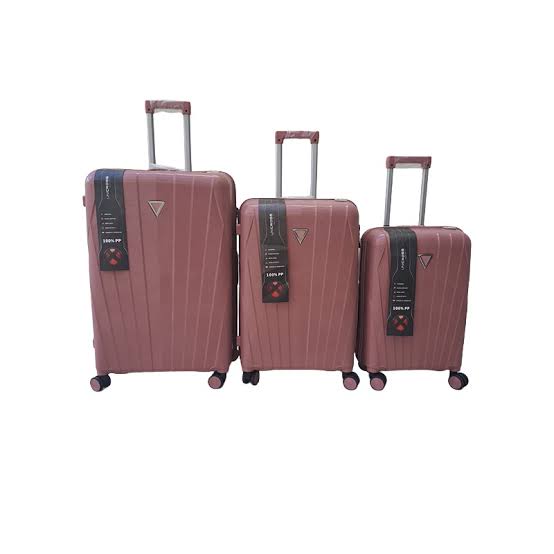
The Trendy Suitcase has a range of trolley bags designed for travellers who need convenient wheeled luggage.
Travelling With Pram Kenya: Why Backpacks Are Useful
Travelling with pram Kenya parents can benefit from backpacks because they keep the hands free for managing children and pushing a stroller.
A travel backpack can hold:
- Chargers.
- Electronics.
- Spare clothing.
- Baby essentials.
- Personal items.
- Travel documents where appropriate.
This is particularly useful during airport transfers.
The Trendy Suitcase offers travel backpacks that can complement your main luggage.
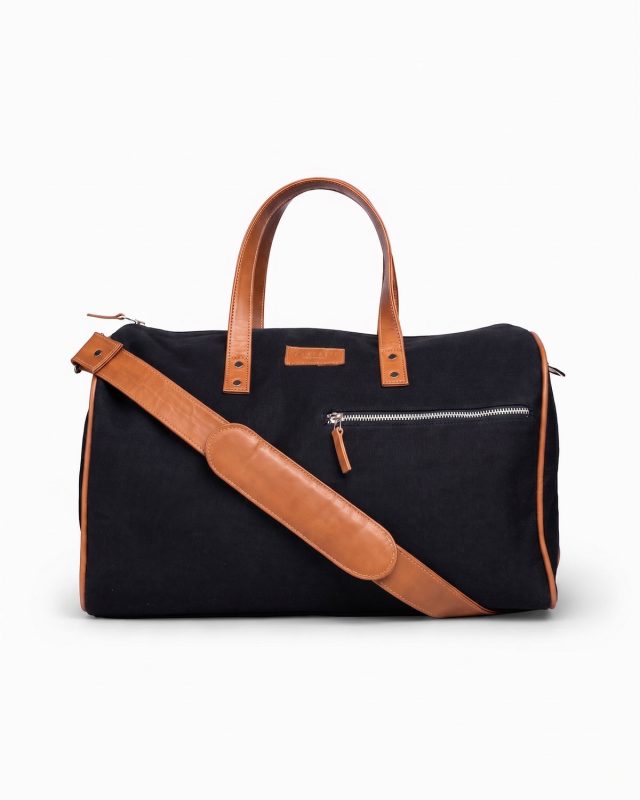
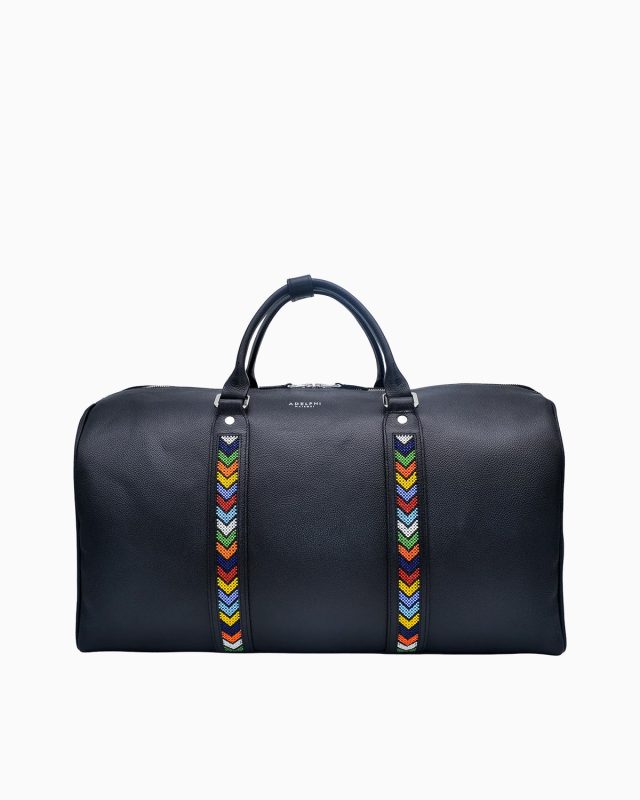
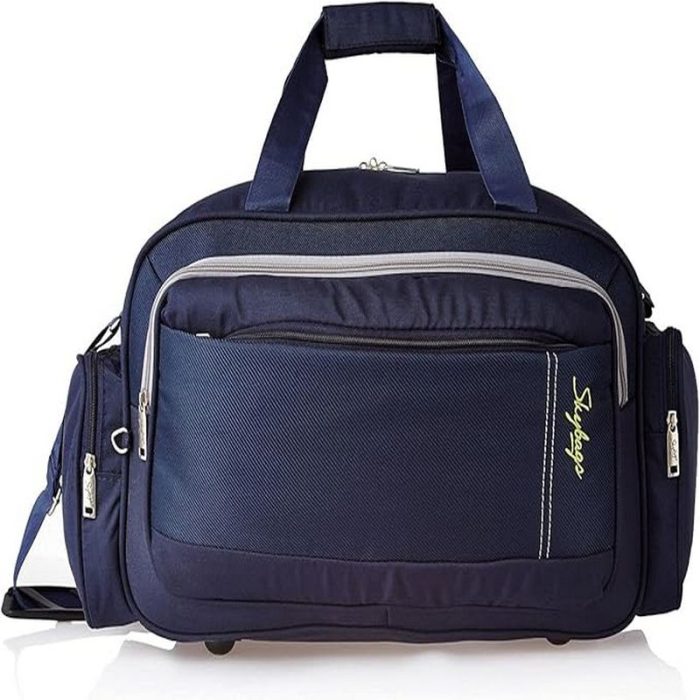
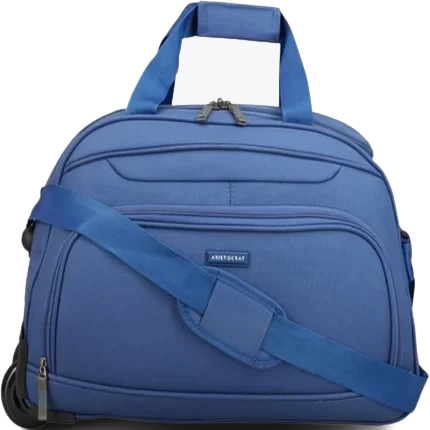
Travelling With Pram Kenya: Duffle Bags for Short Trips
Travelling with pram Kenya families going on shorter trips may find duffle bags useful for flexible storage without adding another rigid suitcase.
Duffle bags can be used for:
- Children's clothing.
- Weekend trips.
- Sports equipment where permitted.
- Extra personal belongings.
- Lightweight travel items.
Browse the duffle bag collection when you need a flexible travel bag.
For longer trips, however, a trolley may be more comfortable when carrying heavier loads.
Travelling With Pram Kenya: Check Your Luggage Weight
Travelling with pram Kenya families should weigh their ordinary luggage before leaving home, particularly when the family is already carrying special equipment.
Do not wait until airport check-in.
Weigh each suitcase separately.
Check:
- Empty suitcase weight.
- Packed weight.
- Maximum permitted weight.
- Number of permitted bags.
Then redistribute items where necessary.
Heavy shoes, books and toiletries can quickly increase suitcase weight.
A lighter suitcase also gives you more useful packing capacity within the permitted limit.
You can browse premium luggage for different suitcase sizes and styles.
Travelling With Pram Kenya: What About Car Seats?
Travelling with pram Kenya families may also travel with a child car seat, but airline rules determine whether it can be used in the cabin, checked or transported under another arrangement.
Before departure, ask the airline about:
- Car-seat dimensions.
- Approved models.
- Cabin use.
- Child seating.
- Installation requirements.
- Check-in procedures.
Do not assume that a car seat can automatically be used on the aircraft.
Airline policies can differ.
Travelling With Pram Kenya: Plan for Connecting Flights
Travelling with pram Kenya families should pay particular attention to connections because the way special equipment is transferred can differ between airports and airlines.
With a connecting flight, you may need to:
- Move between terminals.
- Pass through security again.
- Board another aircraft.
- Request assistance.
- Collect and re-check baggage in some circumstances.
Ask the airline how your pram or wheelchair will be handled during the entire itinerary.
If several airlines are involved, confirm requirements with the relevant carriers.
Wheelchair Air Travel: Handling During Connections
Wheelchair air travel with a connecting flight requires advance planning so passengers understand where the wheelchair will be available during the transfer.
Ask:
- Will the wheelchair be delivered at the aircraft door?
- Will it be transferred directly?
- Will airport staff provide another wheelchair?
- Where should assistance be requested?
- How much connection time is recommended?
The answers can depend on the airport and airline.
Do not assume that every airport follows the same process.
Medical Equipment Flight: Consider Battery Restrictions
Medical equipment flight passengers carrying batteries should check current airline and aviation requirements before travelling.
Battery rules can depend on:
- Battery chemistry.
- Capacity.
- Whether it is installed.
- Whether it is removable.
- Quantity.
- Intended use.
This is particularly important for electronic medical equipment and mobility devices.
If you are uncertain about a battery, contact the airline before departure.
Do not guess.
Special Baggage Airline: Arrive Early at JKIA
Special baggage airline arrangements can require additional time, so passengers travelling from JKIA should avoid arriving at the last minute.
Allow enough time for:
- Check-in.
- Special equipment inspection.
- Security.
- Assistance.
- Boarding.
This is particularly important for families with young children or passengers requiring mobility assistance.
Arriving early gives you time to resolve unexpected questions.
Travelling With Pram Kenya: What to Do Before Leaving Home
Travelling with pram Kenya families should complete a simple equipment checklist before heading to the airport.
Pram checklist
- Check wheels.
- Check brakes.
- Test folding mechanism.
- Remove unnecessary accessories.
- Add identification.
- Photograph the pram.
- Prepare protective cover.
Baby travel bag
- Spare clothes.
- Nappies.
- Wipes.
- Comfort items.
- Approved feeding supplies.
- Entertainment.
Family luggage
- Weigh every suitcase.
- Check dimensions.
- Confirm airline allowance.
- Keep documents accessible.
Wheelchair Air Travel: Pre-Flight Checklist
Wheelchair air travel becomes easier when equipment information is prepared before the flight.
Before departure:
- Contact the airline.
- Request assistance.
- Provide wheelchair dimensions.
- Provide wheelchair weight.
- Confirm battery type.
- Ask about battery requirements.
- Remove detachable accessories where appropriate.
- Photograph the wheelchair.
- Keep technical information available.
At the airport:
- Confirm assistance.
- Confirm equipment handling.
- Ask where the wheelchair will be collected.
Medical Equipment Flight: Pre-Flight Checklist
Medical equipment flight preparation should begin early enough to resolve airline approval, battery or documentation questions before departure.
Check:
- Device model.
- Device dimensions.
- Device weight.
- Battery specifications.
- Charging requirements.
- Airline approval.
- Medical documentation where required.
- Protective case.
- Backup permitted supplies.
If the equipment is essential, make sure you understand exactly how it will be transported.
Special Baggage Airline: Protect Your Equipment
Special baggage airline passengers should protect valuable mobility and child equipment while ensuring airport staff can still inspect and handle it properly.
Consider suitable protective covers for:
- Prams.
- Wheelchairs.
- Car seats.
- Mobility equipment.
Avoid excessive wrapping that makes inspection difficult.
Follow airline instructions.
If an item has removable parts, ask whether they should be removed and carried separately.
Travelling With Pram Kenya: What If the Pram Is Damaged?
Travelling with pram Kenya passengers should inspect their stroller immediately after receiving it at the destination.
Check:
- Wheels.
- Frame.
- Handle.
- Brakes.
- Folding mechanism.
- Seat.
- Accessories.
If you notice damage, report it to the airline promptly according to its baggage claims procedure.
Photographs taken before departure can help demonstrate the original condition.
Keep your baggage documentation.
Wheelchair Air Travel: What If Your Wheelchair Is Delayed?
Wheelchair air travel passengers should report a delayed or damaged wheelchair immediately because mobility equipment is essential rather than ordinary luggage.
If your wheelchair is not available:
- Inform airport staff.
- Explain your mobility requirements.
- Request appropriate temporary assistance.
- Report the missing equipment.
- Provide the equipment description and identification.
- Follow the airline's claims process.
Keep your wheelchair's model and identifying information accessible.
Medical Equipment Flight: Create a Travel Equipment Folder
Medical equipment flight travellers can make airport procedures easier by keeping equipment documentation together in one accessible folder.
The folder may contain:
- Device information.
- Battery specifications.
- Manufacturer details.
- Airline approval.
- Medical documentation where required.
- Emergency contact information.
Keep the folder in your cabin baggage rather than checked luggage.
Why Choose The Trendy Suitcase?
The Trendy Suitcase helps Kenyan travellers prepare for domestic and international journeys with practical luggage options for families, professionals and frequent flyers.
The store is located at:
Our Mall, Magadi Road, Karen, Nairobi, Kenya.
You can browse:
- Premium luggage.
- Trolley bags.
- Backpacks.
- Duffle bags.
- Travel accessories.
Visit the About Us page to learn more about the business.
You can also shop online and arrange delivery.
The Trendy Suitcase serves customers across Kenya, including Nairobi, Nakuru, Kisumu, Mombasa, Eldoret and other major towns.
Same-day delivery is available within Nairobi, with next-day delivery to other parts of Kenya subject to applicable arrangements.
For personalised luggage advice, contact The Trendy Suitcase.
Travelling With Pram Kenya: Frequently Asked Questions
Can I take my pram to the airport gate?
Travelling with pram Kenya passengers may be able to use certain strollers until the gate or aircraft door, but this depends on the airline, airport and stroller type.
Can a baby travel with a pram for free?
Airline policies differ. Check your specific airline's current infant and stroller baggage policy before travelling.
Can I take a wheelchair on a plane?
Airlines have procedures for transporting wheelchairs and providing mobility assistance. Requirements can depend on wheelchair type, size and battery system.
Does a powered wheelchair need advance notification?
It may. Contact your airline in advance and provide accurate details about the wheelchair and battery.
Can I carry medical equipment in cabin baggage?
Some medical equipment may be carried in the cabin, particularly when needed during the journey, but the airline's rules must be followed.
What should I do if my pram is damaged?
Report the damage to the airline as soon as possible and keep your baggage documentation. Photographs taken before travel can be useful.
Should I use a pram travel bag?
A suitable protective bag can help protect the stroller during handling and transportation in the aircraft hold.
Final Thoughts on Travelling With Pram Kenya
Travelling with pram Kenya families can be straightforward when the pram, luggage and airline requirements are planned before departure.
The same principle applies to wheelchair air travel and medical equipment flight arrangements.
Do not wait until you reach the airport to discover that your equipment requires special preparation.
Instead:
- Contact the airline early.
- Confirm special baggage airline rules.
- Provide accurate equipment information.
- Check battery requirements.
- Request assistance.
- Protect your equipment.
- Keep essential items accessible.
- Weigh your ordinary luggage before leaving home.
For families travelling with pram Kenya airports become easier to navigate when the stroller is compact, properly labelled and prepared according to the airline's instructions.
Passengers using wheelchairs should provide complete equipment details and arrange assistance in advance.
Passengers carrying medical equipment should understand exactly what can travel in the cabin, what needs approval and how batteries are handled.
For your regular travel luggage, explore trolley bags, premium luggage, backpacks and duffle bags.
Visit The Trendy Suitcase at Our Mall, Magadi Road, Karen, or shop online.
For help selecting the right luggage for your journey, contact the team.
Travelling with pram Kenya passengers, wheelchair users and travellers carrying medical equipment can all benefit from one thing above everything else: prepare early, check the rules and know exactly how your equipment will be handled before you fly.