Backpack
 Duffle
 Luggage
 Trolley
 Bags
Bags
How to Spot a Fake Luxury Handbag: A Guide for Kenyan Shoppers

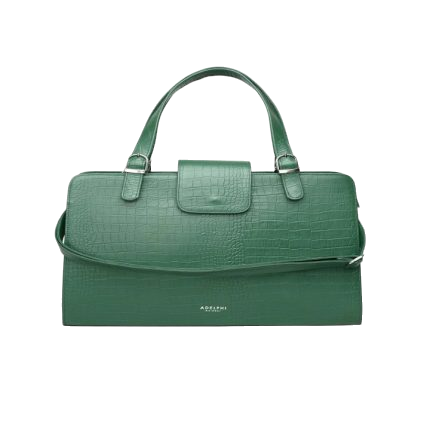
The Rise of Fake vs Real Handbags in Kenya
The luxury fashion market in Kenya has grown rapidly over the past few years, especially in Nairobi, Karen, and other urban centers where demand for premium handbags, travel bags, and designer accessories continues to rise.
However, alongside this growth has come a major challenge: the increasing circulation of counterfeit products. Many shoppers are now struggling to differentiate fake vs real handbags, especially when counterfeit versions are made to look extremely convincing in photos and online listings.
Fake handbags are no longer easy to spot at a glance. Modern counterfeits often imitate branding, packaging, and even stitching patterns. This makes education essential for any buyer who wants to avoid financial loss and invest in genuine luxury products.
This guide provides a complete breakdown of how to identify fake vs real handbags using practical, real-world checks tailored specifically for Kenyan shoppers.
Understanding Fake vs Real Handbags: The Core Difference
Before analyzing details, it is important to understand the fundamental difference between fake vs real handbags.
Authentic luxury handbags are produced under strict manufacturing standards. Every detail—from stitching to material selection—is controlled by the brand. These products go through quality assurance processes and are designed for durability, prestige, and long-term value.
Fake handbags, on the other hand, are mass-produced with cheaper materials and no official quality control. Their goal is to imitate appearance, not performance.
In Kenya, counterfeit handbags are commonly found through:
- Unverified social media sellers
- Informal street markets
- Suspicious online discount stores
- Import resellers without documentation
Fake vs Real Handbags – Stitching and Craftsmanship Quality
One of the most reliable ways to identify fake vs real handbags is through stitching inspection.
Real Luxury Handbags
Authentic handbags have:
- Even and symmetrical stitching
- Tight thread tension with no loose ends
- Clean corners and seamless transitions
- No visible glue or stitching errors
Luxury brands invest heavily in craftsmanship because stitching directly affects durability and brand reputation.
Fake Handbags
Counterfeit handbags often show:
- Uneven stitching lines
- Loose or frayed threads
- Visible glue marks near seams
- Poor alignment at edges and corners
Even if a fake handbag looks good from a distance, stitching flaws become visible upon close inspection.
Fake vs Real Handbags – Material Quality and Texture
Material is another major indicator when comparing fake vs real handbags.
Real Handbags
Authentic products use:
- High-quality leather or engineered luxury materials
- Structured but flexible feel
- Natural grain texture
- Long-lasting resistance to wear and tear
These materials improve with age and often develop a richer appearance over time.
Fake Handbags
Counterfeit products typically use:
- Plastic-based synthetic leather
- Overly glossy or artificial finishes
- Lightweight, hollow construction
- Materials that crack or peel quickly
A simple way to test is by touch and weight—real handbags feel solid and refined.
Fake vs Real Handbags – Logo, Branding, and Typography
Brand identity is one of the most replicated yet frequently flawed areas in counterfeit production.
Real Handbags
Authentic branding includes:
- Perfect logo placement and alignment
- Consistent font thickness and spacing
- Clean embossing or engraving
- No spelling errors or distortions
Fake Handbags
Fake versions often show:
- Slightly misaligned logos
- Inconsistent font styles
- Poor print quality or fading
- Misspelled brand names in extreme cases
Even minor inconsistencies often indicate a counterfeit product.
Fake vs Real Handbags – Serial Numbers and Authentication Systems
Modern luxury brands use advanced authentication systems to protect customers.
Real Handbags
- Unique serial numbers per product
- QR codes or digital verification (new models)
- Internal brand tags and authenticity cards
- Traceable manufacturing identifiers
Fake Handbags
- Missing serial numbers
- Duplicate or repeated codes across products
- Poorly printed tags
- No verifiable brand system
If authentication cannot be verified, the product should be treated as suspicious.
Fake vs Real Handbags – Hardware, Zippers, and Finishing
Luxury brands distinguish themselves through detail quality.
Real Handbags
- Heavy-duty, smooth zippers
- Engraved or branded metal hardware
- Strong magnetic closures
- Durable stitching reinforcement
Fake Handbags
- Lightweight, cheap metal components
- Rough or jammed zippers
- No branding on hardware
- Weak finishing around edges
Hardware quality is one of the easiest physical tests for authenticity.
Fake vs Real Handbags – Packaging and Presentation
Packaging is often overlooked but is a strong indicator of authenticity.
Real Handbags
- Branded dust bags
- High-quality packaging boxes
- Care cards and authenticity documentation
Fake Handbags
- Generic plastic packaging
- Low-quality printed boxes
- Missing documentation
Luxury brands maintain premium presentation standards even in packaging.
Fake vs Real Handbags – Pricing Red Flags in Kenya
Price is one of the strongest warning signals in counterfeit detection.
Be cautious when:
- Prices are far below normal retail value
- Sellers offer unrealistic “clearance” discounts
- No receipt or return policy is provided
Luxury handbags rarely drop drastically in price unless officially verified.
Fake vs Real Handbags – Common Mistakes Kenyan Buyers Make
Many counterfeit purchases in Kenya happen due to avoidable mistakes:
- Trusting unverified Instagram sellers
- Ignoring product detail inconsistencies
- Focusing only on price instead of authenticity
- Skipping close-up inspection before payment
Education and caution significantly reduce risk.
How to Buy Authentic Handbags in Kenya
To avoid fake vs real handbags confusion, always shop from trusted, transparent retailers.
You can explore verified collections such as:
- Premium bags at the official luggage collection
- Everyday travel options in the backpacks collection
- Durable options in the duffle bags collection
- Full selection in the official shop catalog
A trusted retailer should always provide:
- Clear product images
- Verified inventory
- Customer support
- Official receipts or invoices
Why Fake vs Real Handbags Knowledge Matters
Understanding fake vs real handbags is not just about fashion—it is about protecting your investment.
Fake handbags:
- Wear out quickly
- Have no resale value
- Lack durability
- Offer no brand support
Real handbags:
- Last for years
- Maintain structure and quality
- Hold long-term value
- Provide better user experience
Kenya Market Insight: Why Counterfeits Are Common
In Kenya, counterfeit handbags circulate mainly through informal resale channels. Nairobi and other urban centers see high demand for luxury goods, which creates opportunities for counterfeit suppliers.
This makes buyer awareness essential, especially for online shoppers who cannot physically inspect products.
Conclusion
The difference between fake vs real handbags lies in craftsmanship, materials, branding precision, authentication systems, and pricing consistency.
By applying the checks outlined in this guide, Kenyan shoppers can confidently avoid counterfeit products and invest in genuine luxury handbags that deliver long-term value.
Contact The Trendy Suitcase
Phone / WhatsApp: +254 702 933 975
Email: lavalise53@gmail.com
Visit Us: Our Mall, Magadi Road, Karen, Nairobi, Kenya